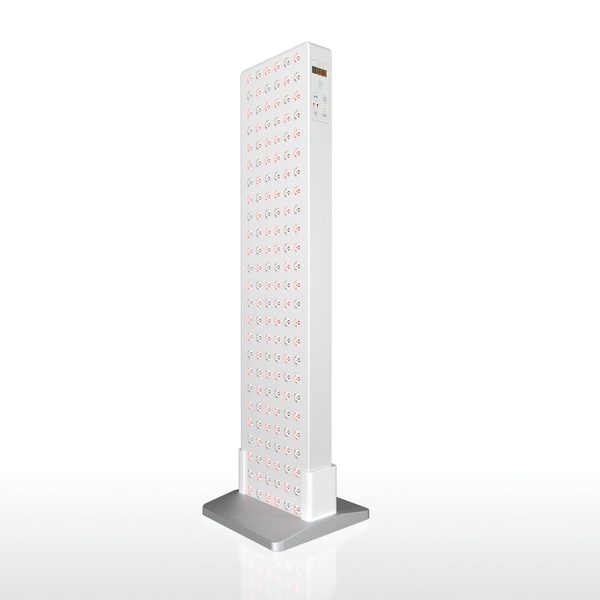
Joovv Solo 3.0
FDA-cleared consumer panel. Modular stacking, published irradiance specs, most-cited brand in the consumer RCT literature.
Shop Joovv ↗Grade A — RCTs across skin collagen, joint pain, wound healing, and emerging cognition trials.
Red (~660 nm) and near-infrared (~830 nm) LED therapy has the largest RCT base of any consumer longevity device. Meta-analyses support skin collagen synthesis, wound healing, and joint-pain reduction. Transcranial PBM trials (Saltmarche, Chao) show signals for mild cognitive impairment. Dose matters more than brand: irradiance (mW/cm²) and total dose (J/cm²) vary widely across consumer panels versus the trial protocols they reference.
FDA-cleared consumer panel. Modular stacking, published irradiance specs, most-cited brand in the consumer RCT literature.
Shop Joovv ↗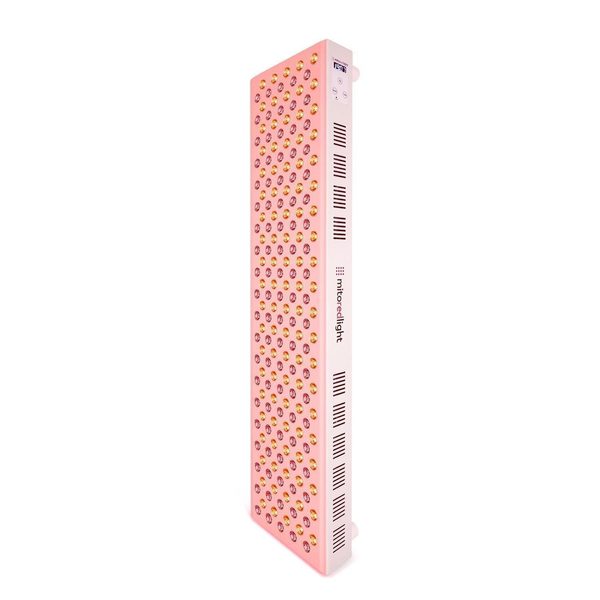
Higher irradiance per dollar than Joovv; smaller clinical citation footprint but third-party-measured specs published.
Shop Mito ↗Most trials use one or both. 660 nm is better-studied for skin and surface tissue; 850 nm penetrates deeper for joints, muscle, and transcranial work. Dual-wavelength panels cover both.
Most consumer protocols target 10–20 minutes at 6–8 inches, 4–6 days per week. Total weekly dose matters more than per-session length.
Direct PubMed links to the strongest published human studies behind this category. We update these as new trials emerge. Citations are educational — not endorsements of any specific brand or treatment.