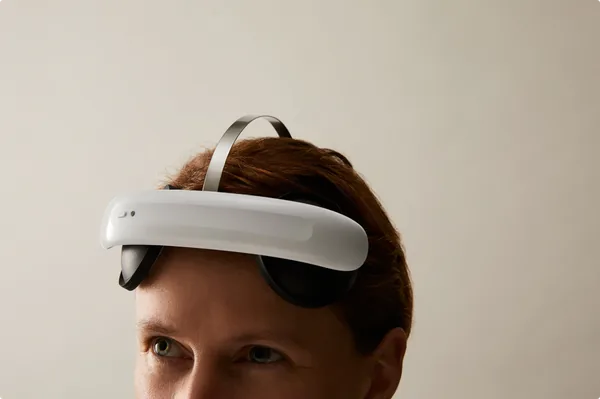
Flow Neuroscience Headset
EU-cleared for major depression. The tDCS device with the most clinical trial citations in the consumer space. Subscription model for the paired CBT therapy app.
Shop Flow ↗Grade B — FDA-cleared depression indication (tDCS) and growing transcranial PBM literature.
Transcranial direct-current stimulation (tDCS) has FDA clearance in the EU for major depressive disorder; the most-cited consumer device, Flow Neuroscience, is the device used in the published depression RCTs. Transcranial photobiomodulation (810 nm to specific brain regions) has emerging cognition data in mild cognitive impairment and stroke recovery. Gamma-frequency 40 Hz light/sound stimulation (Cognito-style) is earlier-stage but mechanistically interesting.
EU-cleared for major depression. The tDCS device with the most clinical trial citations in the consumer space. Subscription model for the paired CBT therapy app.
Shop Flow ↗No. tDCS uses 1–2 mA low-current stimulation at specific scalp locations for documented durations. Older DIY kits had no current control and no protocol — that is not what is being studied.
Flow's depression trial used 30-minute daily sessions for 6 weeks. Most clinical signal appears between weeks 3 and 6.
Direct PubMed links to the strongest published human studies behind this category. We update these as new trials emerge. Citations are educational — not endorsements of any specific brand or treatment.