One filterable grid — not a maze of dropdowns. Every supplement here is graded against human RCT data. Filter by goal, evidence tier, kosher status, or budget. No grade is influenced by affiliate revenue.
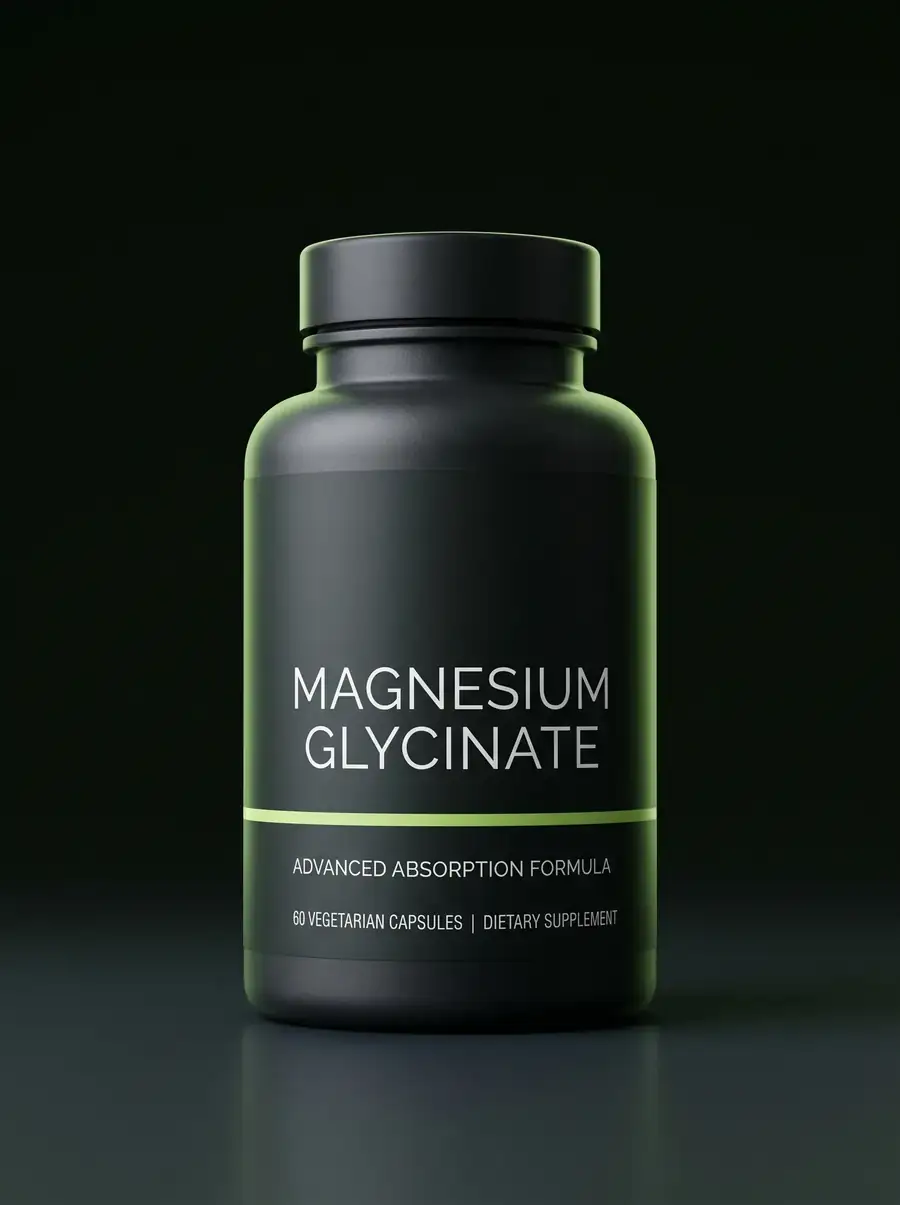
Sleep quality, cardiometabolic function, insulin sensitivity. Deficiency in ~48% of US adults. 34-RCT meta-analysis: −2mmHg systolic BP. Glycinate form superior bioavailability vs oxide.
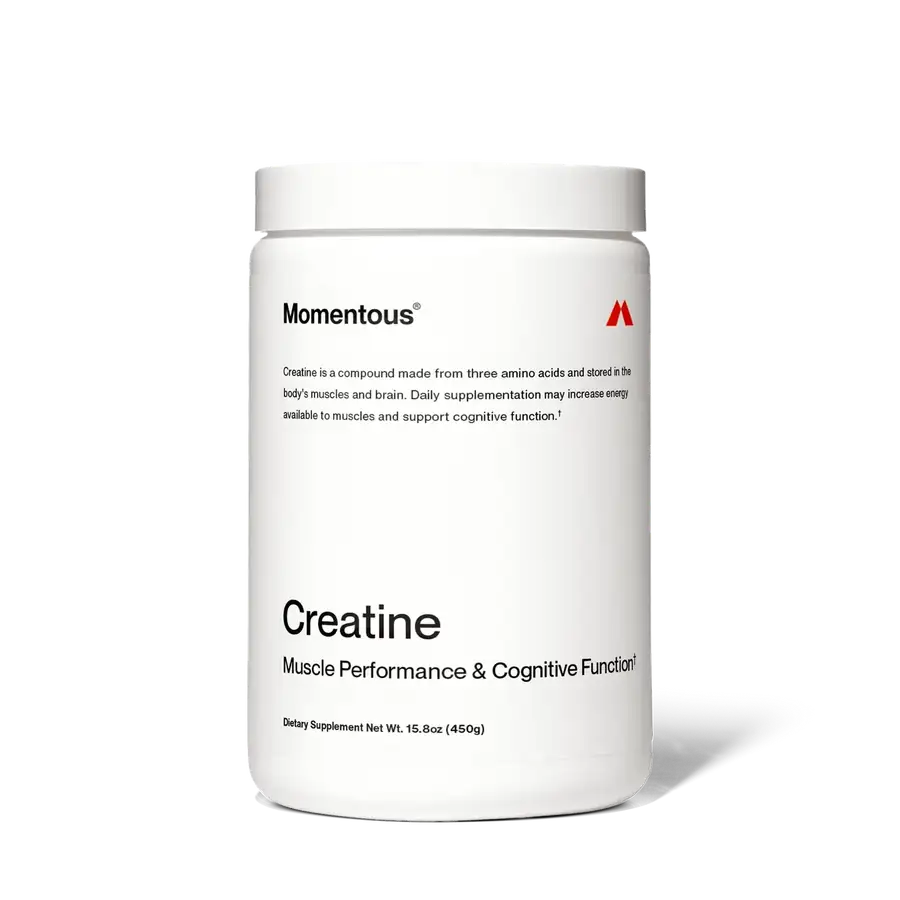
Strength, lean mass, cognitive performance under stress. ~500 human RCTs — the most studied ergogenic aid in history. Muscle preservation in aging adults confirmed across multiple independent research groups.
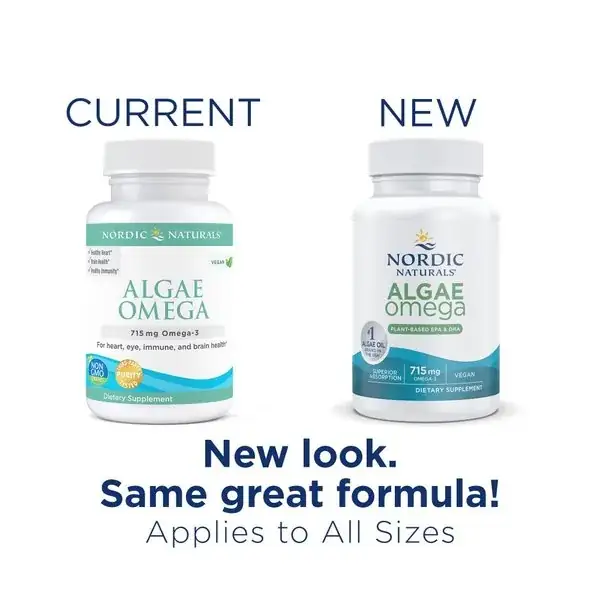
Triglycerides, post-MI mortality at high dose. REDUCE-IT: 25% MACE reduction at 4g icosapent ethyl. Test Omega-3 Index — target ≥8%. Form and dose matter significantly; fish oil vs ethyl ester pharmacokinetics differ.
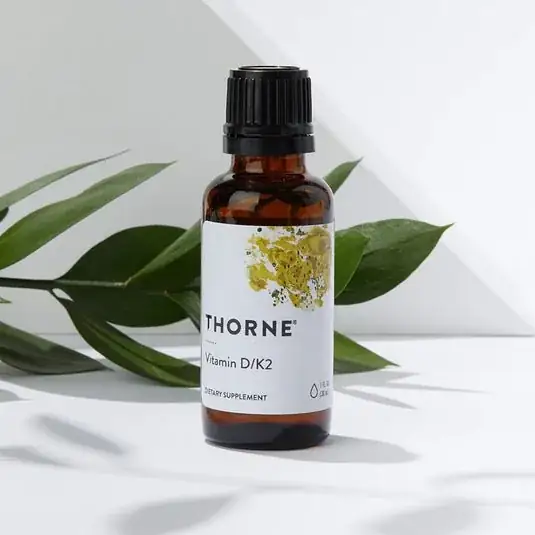
Bone density, immune function, cancer mortality. VITAL trial: 25% reduction in cancer mortality at 2,000 IU. K2 MK-7 directs calcium to bone vs. arteries. Test 25-OH-D first — target 40–60 ng/mL.
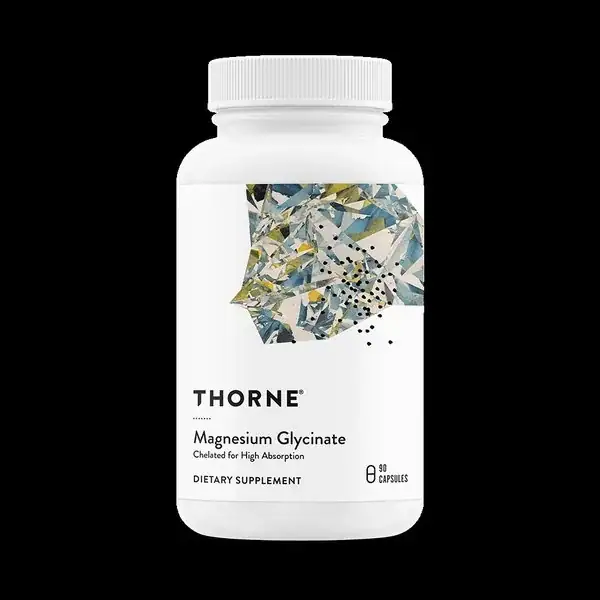
Glucose control comparable to metformin in some trials. HbA1c −2.0%, LDL-C −21% in head-to-head RCT. GI side effects common at full dose. Significant drug interactions — check with medication reality check first.
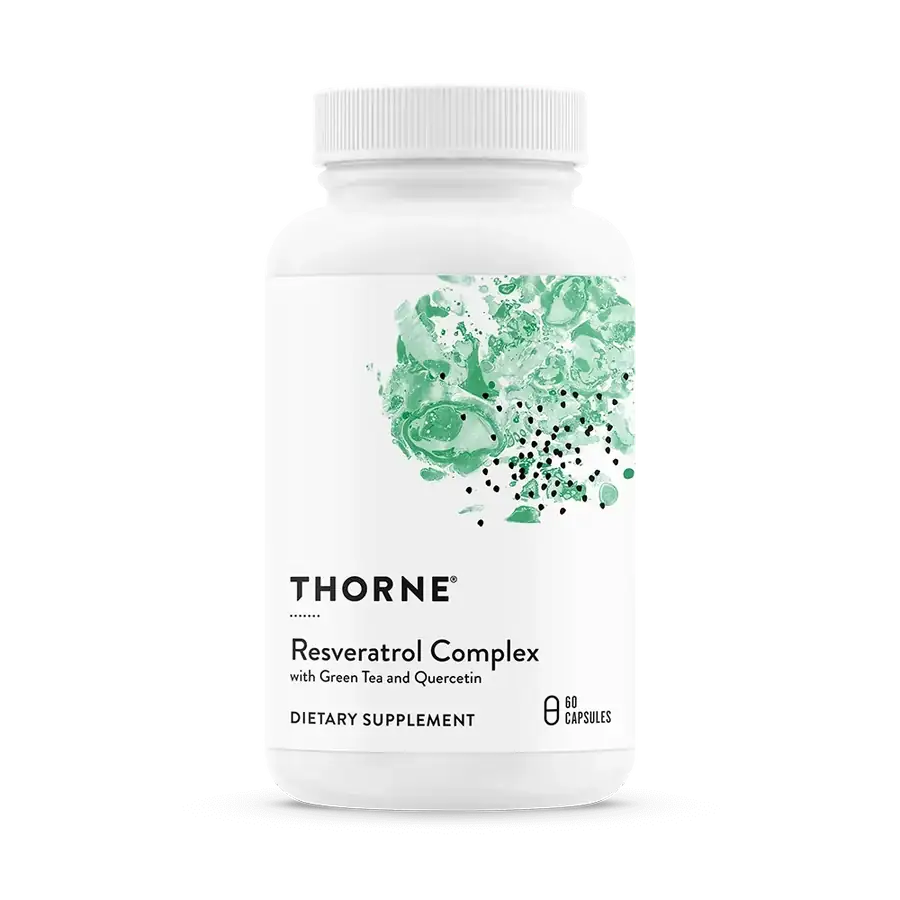
Inflammation biomarkers, cognitive function in MCI. Form is everything — standard curcumin has ~1% bioavailability. Only phospholipid complexes (Meriva), nanoparticle (Theracurmin), or lipid-based forms (Longvida) have clinically relevant absorption.
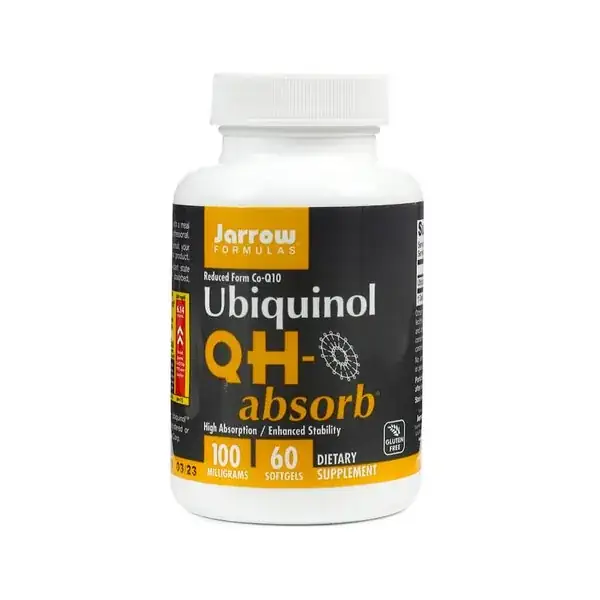
Q-SYMBIO trial: 43% reduction in major adverse cardiac events in heart failure at 300mg/day. Statin depletion mechanism well-documented. Ubiquinol form superior in adults over 50 — conversion from ubiquinone declines with age.
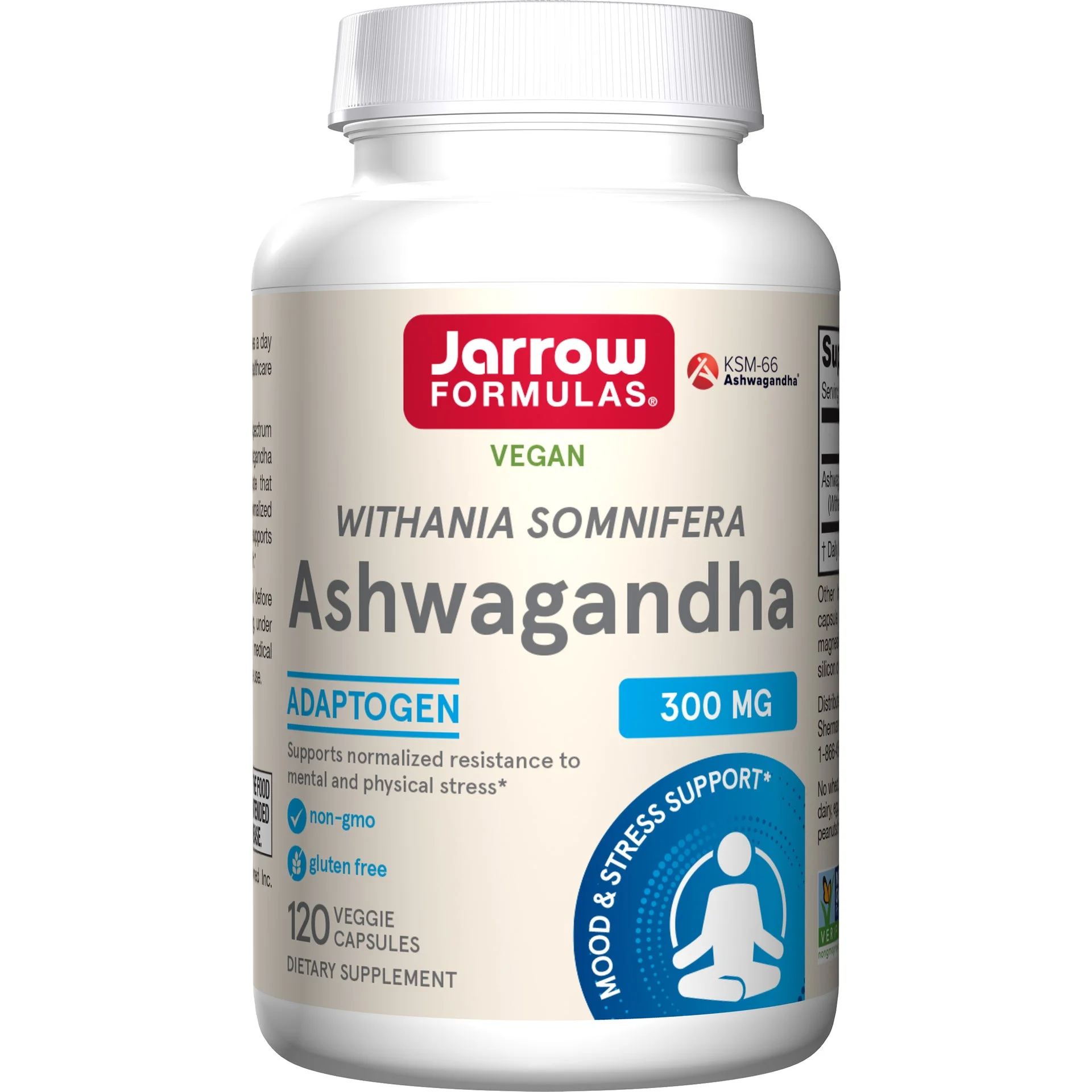
Cortisol reduction, sleep quality, VO₂max. KSM-66 and Sensoril are the only forms with clinical trial data — generic ashwagandha powder has not been studied adequately. Avoid in pregnancy and autoimmune conditions.
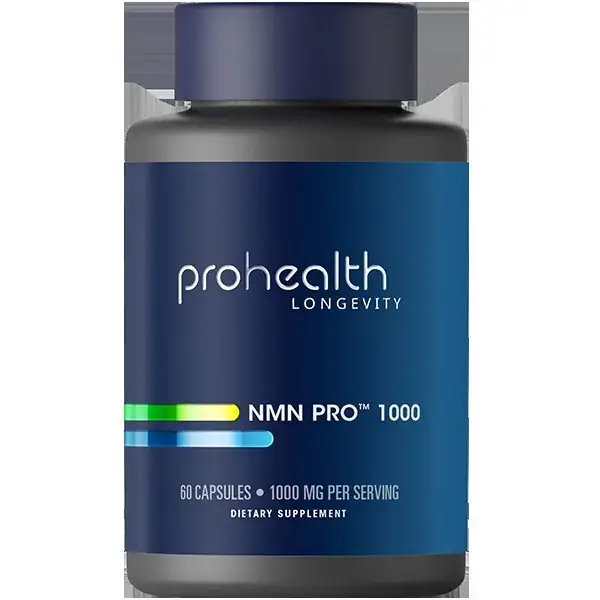
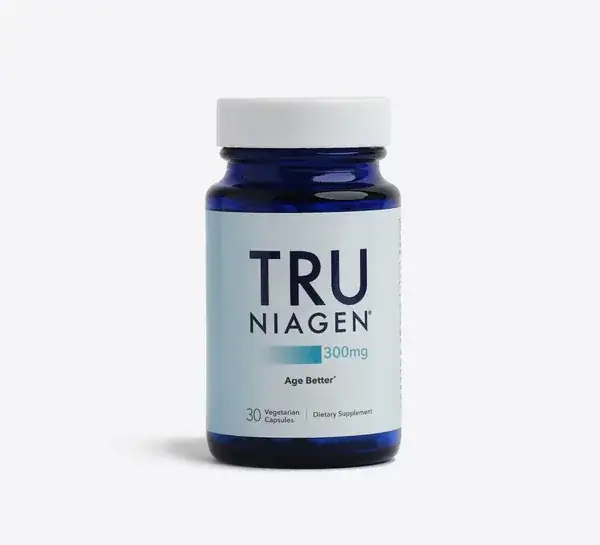
NAD+ precursor. Yoshino 2021 (Science): +25% muscle insulin sensitivity in postmenopausal women at 250mg/day. Raises NAD+ in blood confirmed in humans. No hard longevity outcome data yet — promising but not proven at Tier A level.
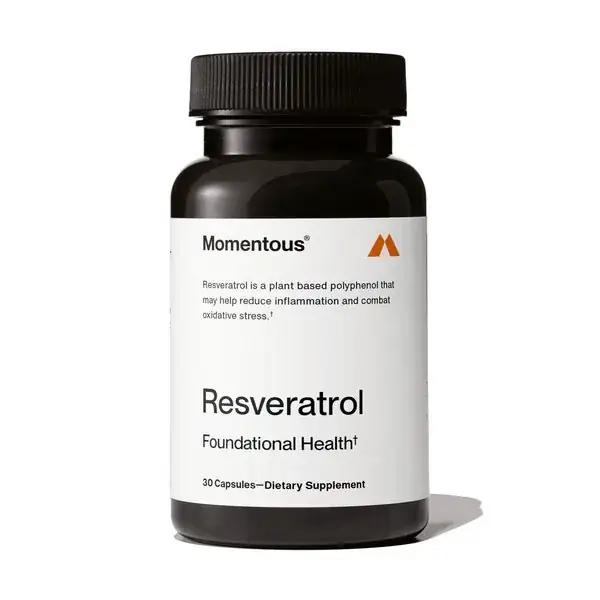
Animal data strong — SIRT1 activation, lifespan extension in yeast and mice. Human bioavailability poor at typical doses; peak plasma levels clear rapidly. RCTs in humans have been mixed and largely disappointing vs. mouse data. Grade C — interesting mechanism, weak human translation.
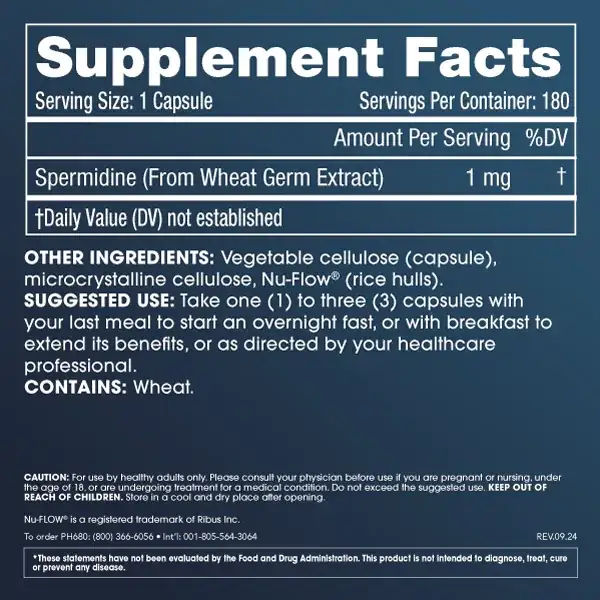
Autophagy induction via mTOR inhibition — mechanistically compelling. SMASHed trial (n=100) showed improved cognitive function in at-risk older adults. Dose from wheat germ extract is 1–2mg/day — very low compared to animal models. Promising; not yet Tier B.
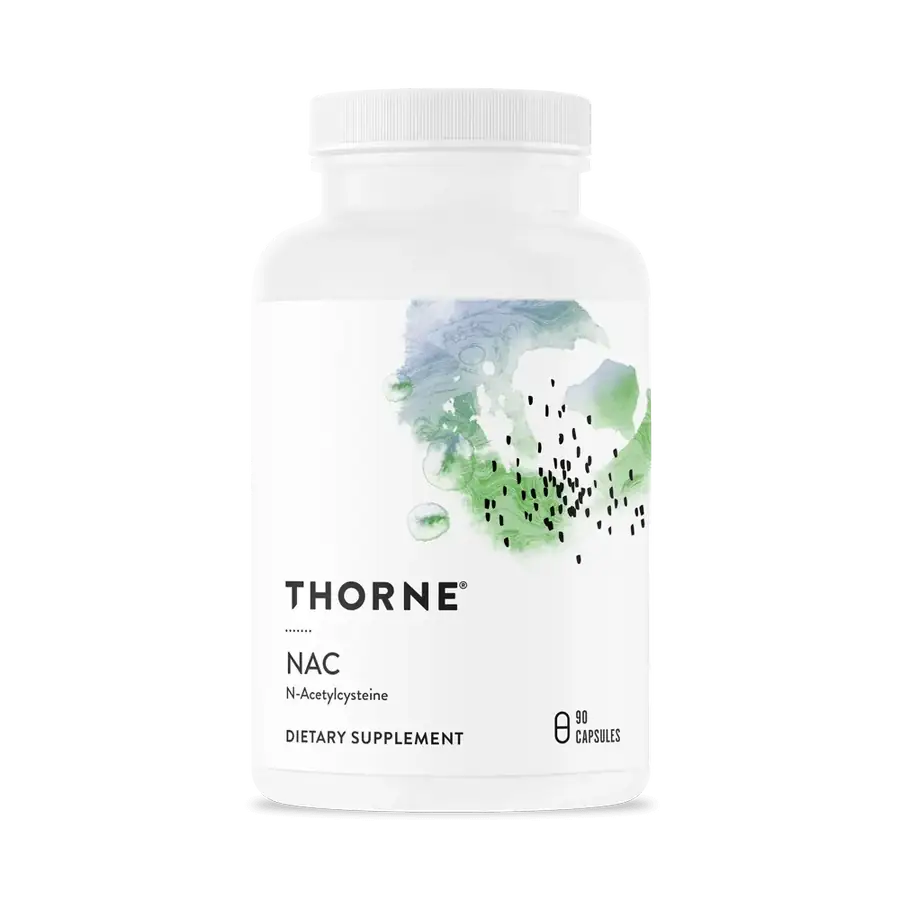
Kumar 2023 (JNHA): improved strength, cognition, and mitochondrial function in aging adults at 24 weeks. Glutathione precursor combination. NAC alone has more data; GlyNAC combination is newer but promising. Form-factor challenge — high gram doses required.
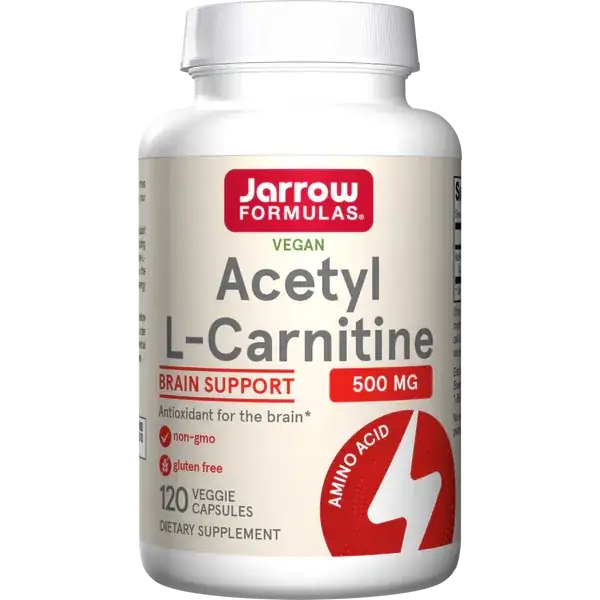
Nitric oxide precursor → improved exercise performance, reduced fatigue, lower post-exercise muscle soreness. Consistent across 12+ RCTs in both untrained and trained adults. Performance evidence clear; longevity endpoint data absent.
Antioxidant that recycles vitamins C and E, improves insulin sensitivity. R-form only — racemic (RS) form is 50% filler. Consistent biomarker data in diabetic neuropathy. Emerging data in metabolic syndrome. R-ALA is significantly more bioavailable and biologically active than the racemic form.
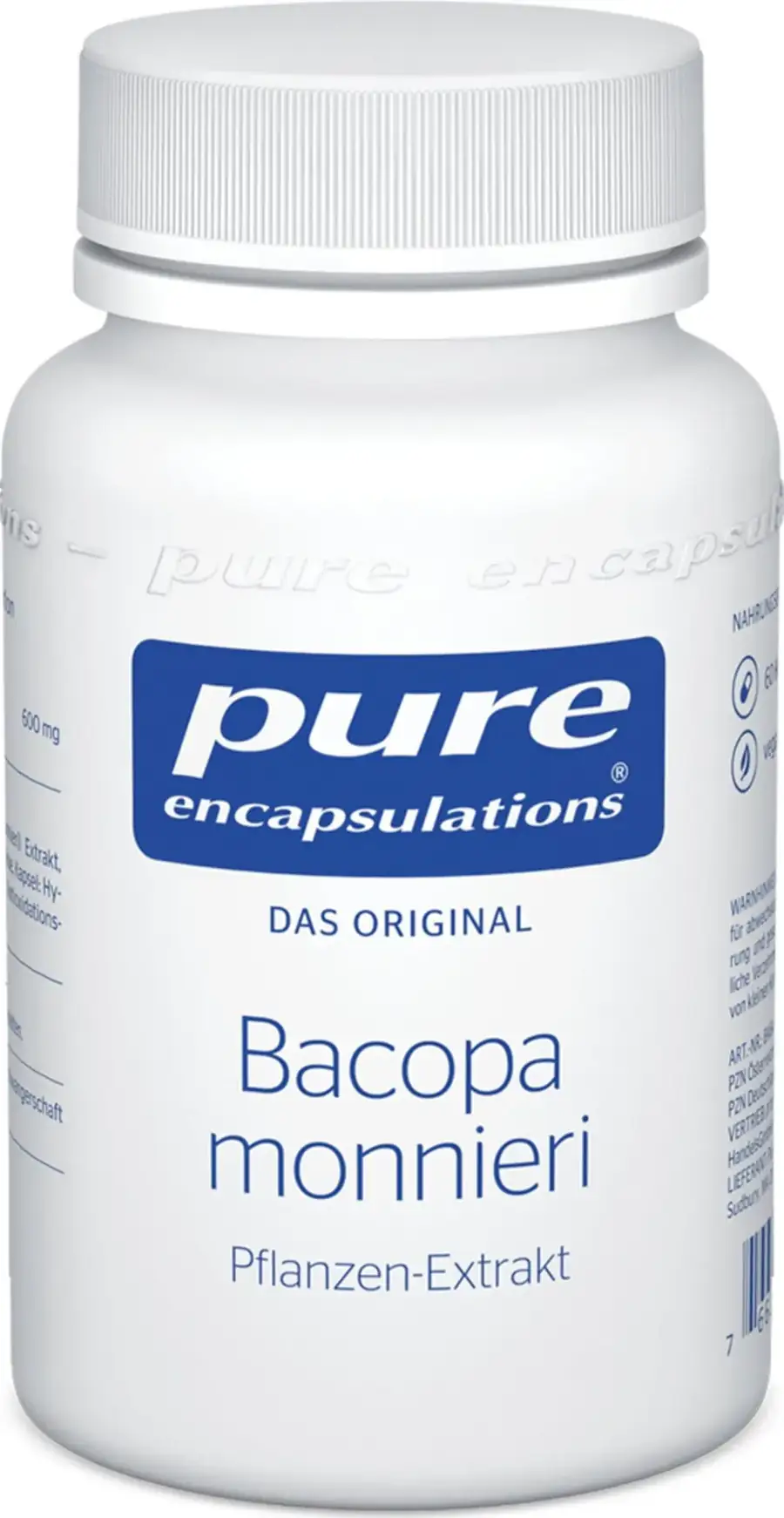
NGF stimulation in vitro; small human RCT (n=30) showed improved cognitive function in MCI. Mori 2009 is the key trial — needs replication at larger scale. Fruiting body extract required; mycelium-on-grain products are nutritionally inferior. Promising; not yet Tier B.