Thirteen categories. Every device graded by the same Human Evidence First standard applied to supplements. The devices with the most marketing are not necessarily the ones with the best evidence — this page separates the two.
Grade A = multiple RCTs with hard or strong biomarker endpoints · Grade B = consistent biomarker signal, limited replication · Grade C = early human data or mixed results · Grade D = mechanistic/animal only
Heat Therapy — Infrared Sauna
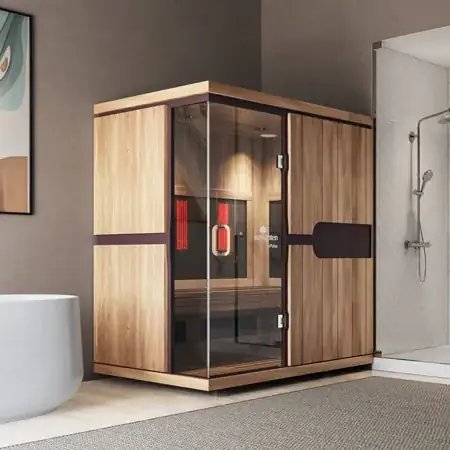
Full-spectrum (near + mid + far) infrared. The most clinically studied brand in longevity literature. Chromotherapy included. Best for cardiovascular and recovery protocols.
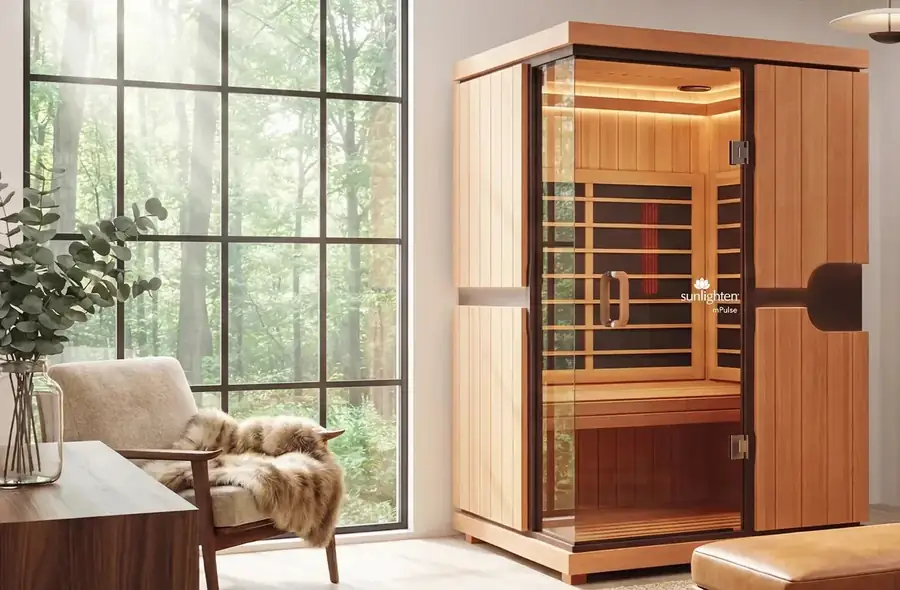
Far-infrared panels with low-EMF technology. More accessible price point. Good for home installation with standard electrical. Consumer-focused design.
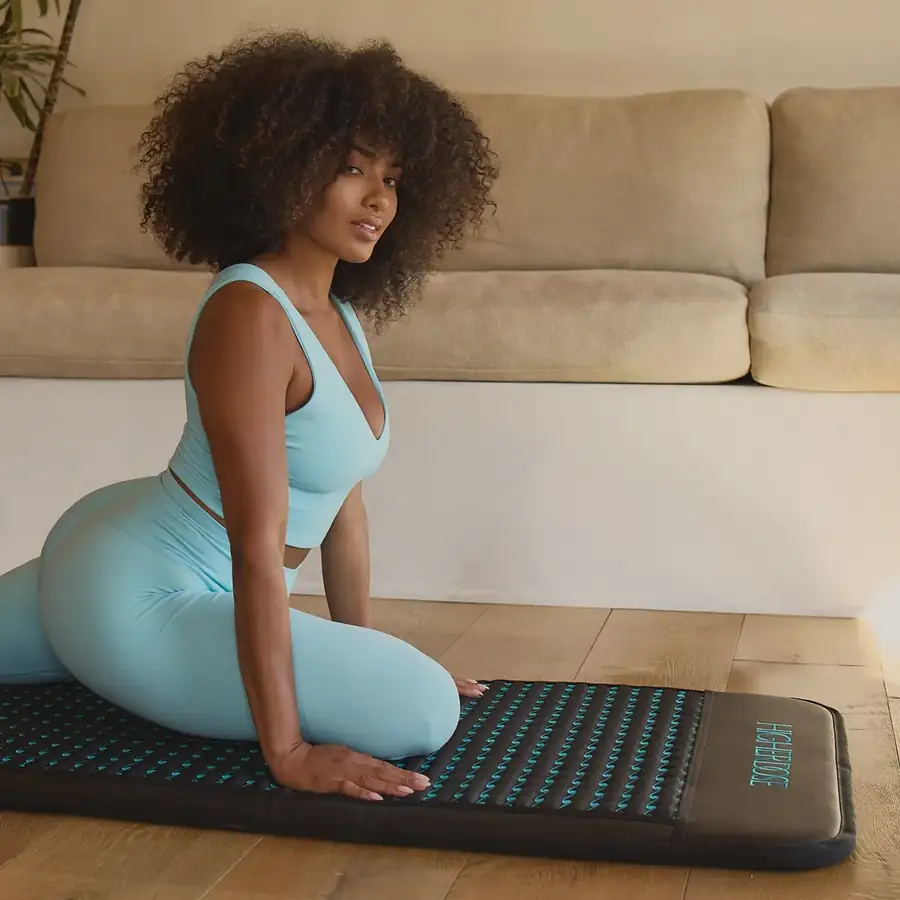
Portable far-infrared option. Lower whole-body irradiance than a full cabin — Grade B because cardiovascular benefits require whole-body heating. Useful for localized recovery.
Photobiomodulation — Red Light & Near-Infrared
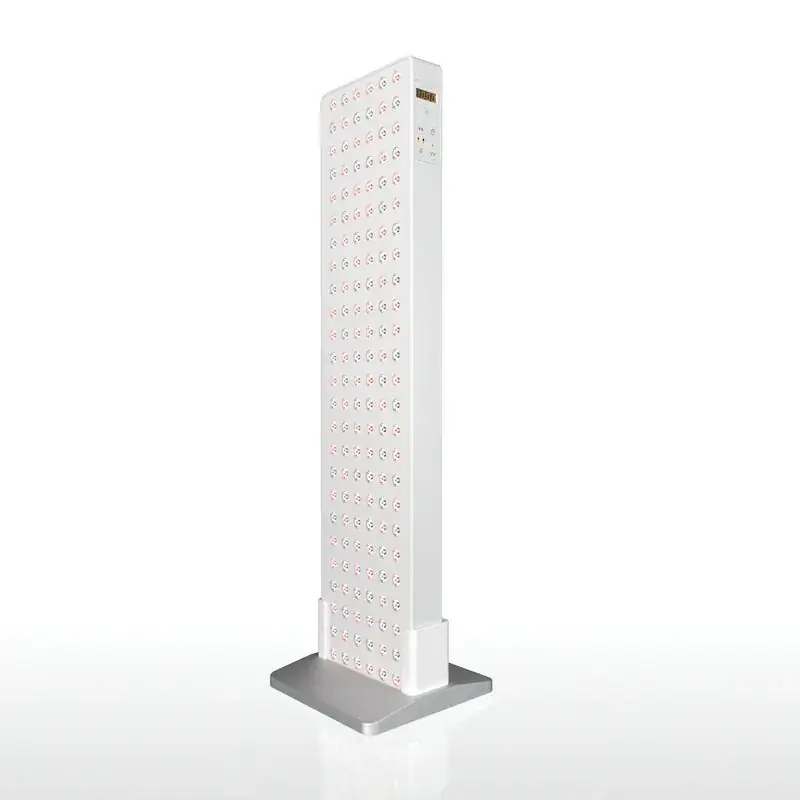
FDA-cleared, independently verified irradiance. 660nm + 850nm dual wavelength. Most cited in clinical contexts. Third-party tested output vs. advertised output match.
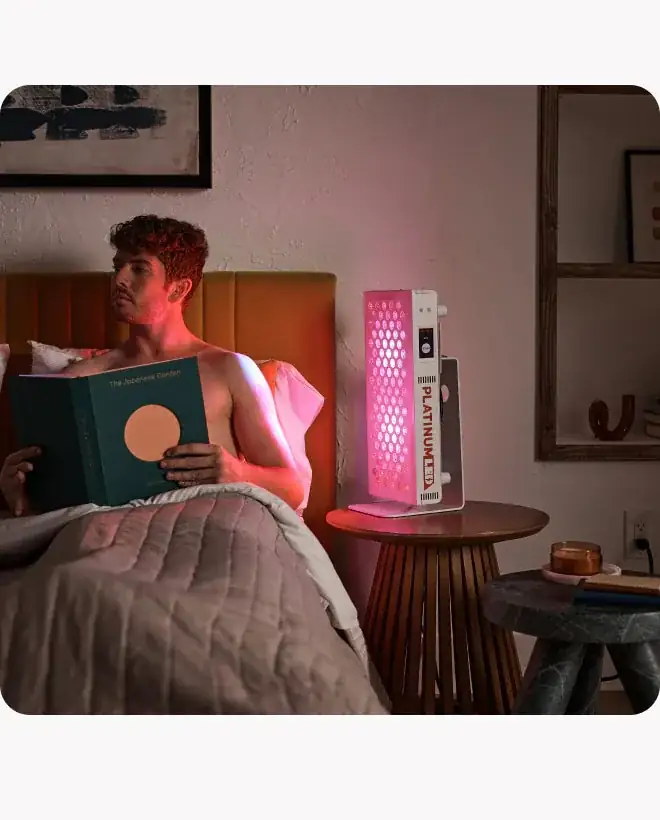
Five-wavelength panel (630, 660, 810, 830, 850nm). High irradiance per dollar. Independently verified output. Strong community of clinical users.
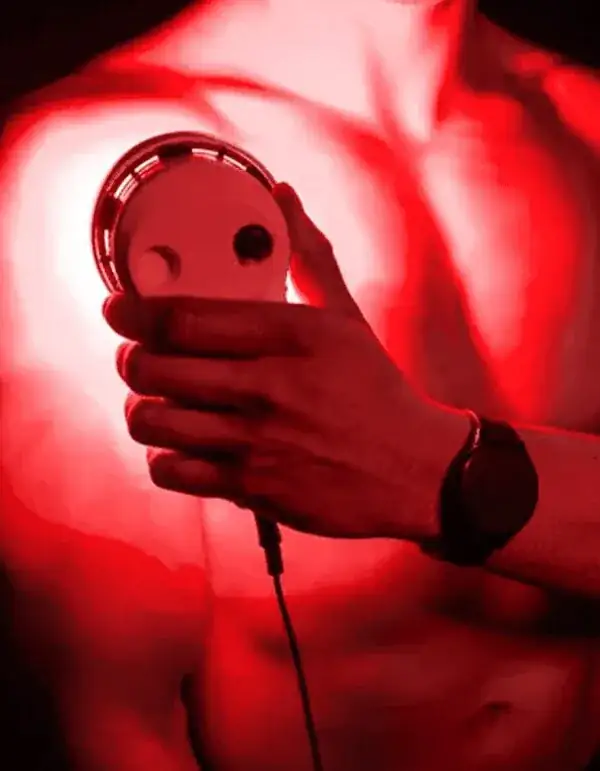
Mid-range panel option with good build quality. Single-wavelength options available. Adequate for home recovery and skin applications.
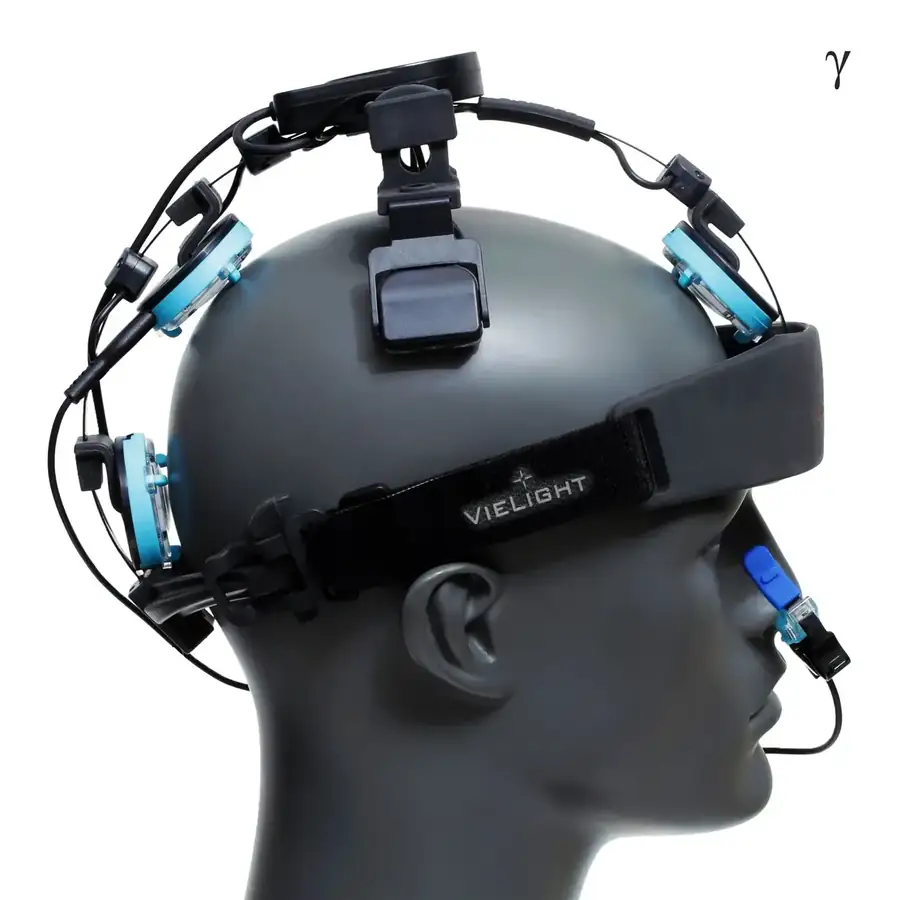
Transcranial + intranasal PBM specifically for cognitive applications. The only consumer device with published transcranial RCT data in MCI populations. 810nm, pulsed.
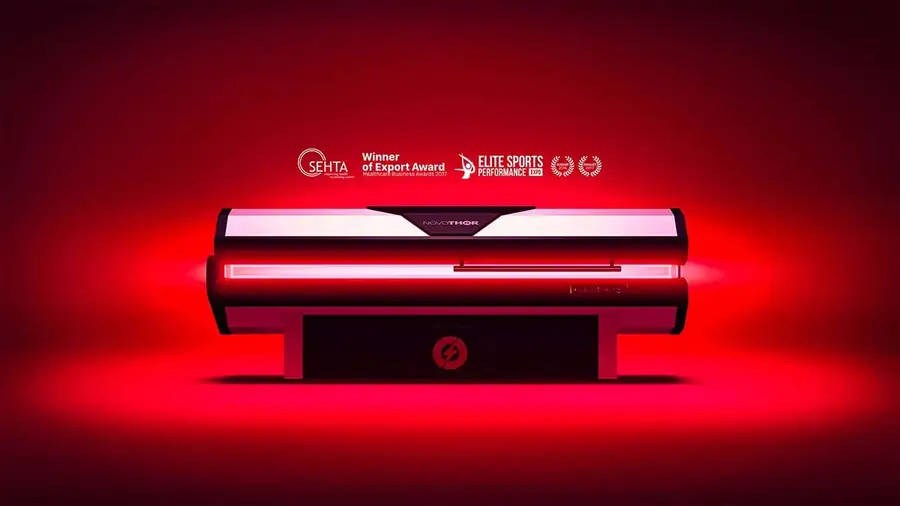
Whole-body PBM at clinical irradiance — the only way to dose the entire body simultaneously. Used in professional sports and clinical research. Clinic-only.
Hyperbaric Oxygen Therapy (HBOT)
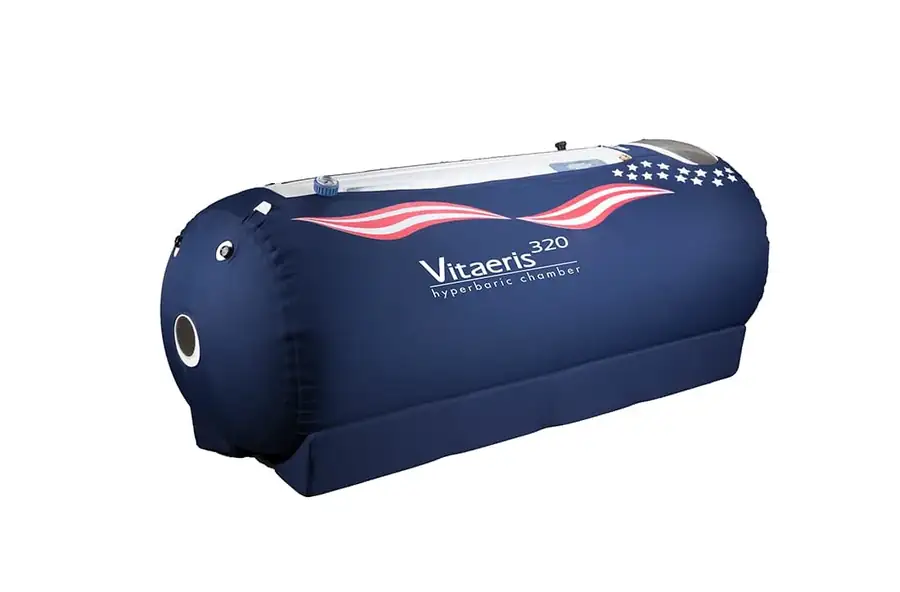
Most-installed home HBOT unit in the US. Operates at 1.3–1.4 ATA — useful for recovery and mitochondrial endpoints. Below the Efrati protocol pressure for senescence work.
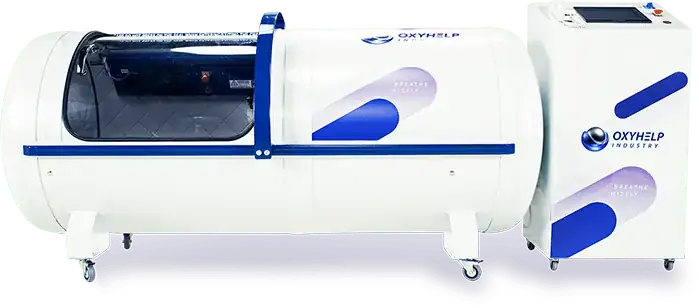
Hard-shell chamber reaching 1.5 ATA. Closer to clinical protocol parameters. Used in clinical and wellness settings. Higher cost; requires medical oxygen supply.
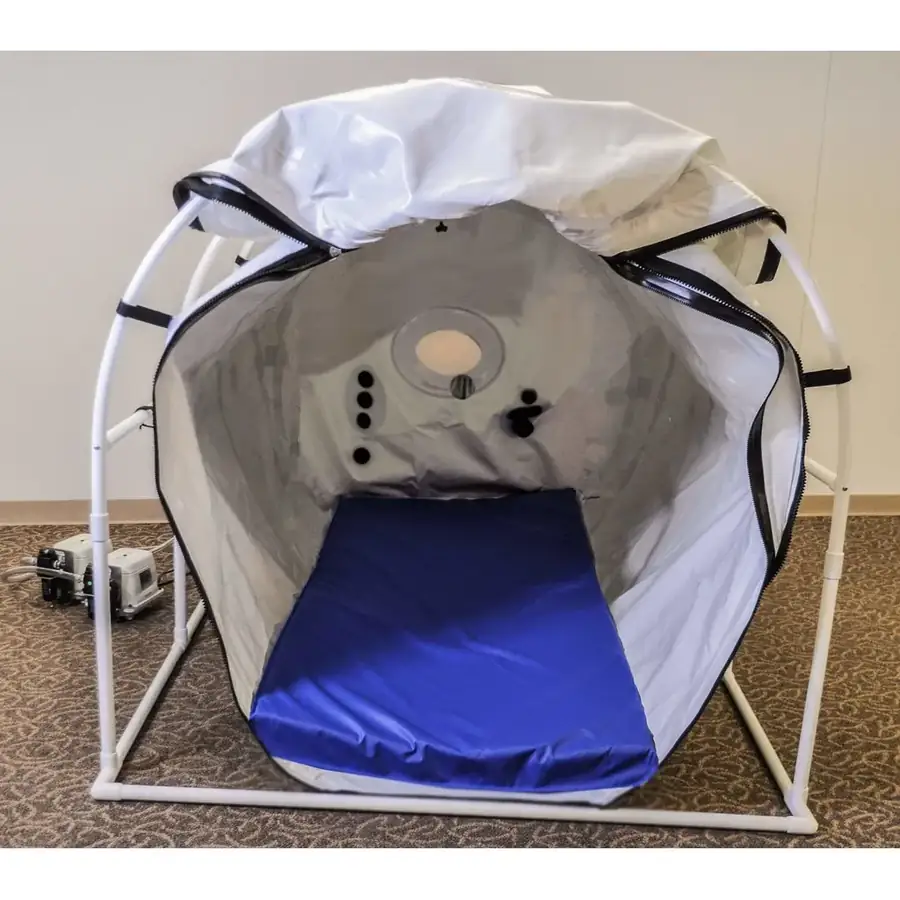
Soft-shell home chamber with good build quality. 1.3 ATA maximum. Good for recovery, wound healing, and mitochondrial applications at accessible pressure.
HBOT at 1.5 ATA available through EBL's concierge clinic in Greater Los Angeles. Evidence-matched 60-session protocols. No IV services — that is a separate practice (RefreshMD). Pre-enroll →
Cold Therapy — Cold Plunge & Cryotherapy
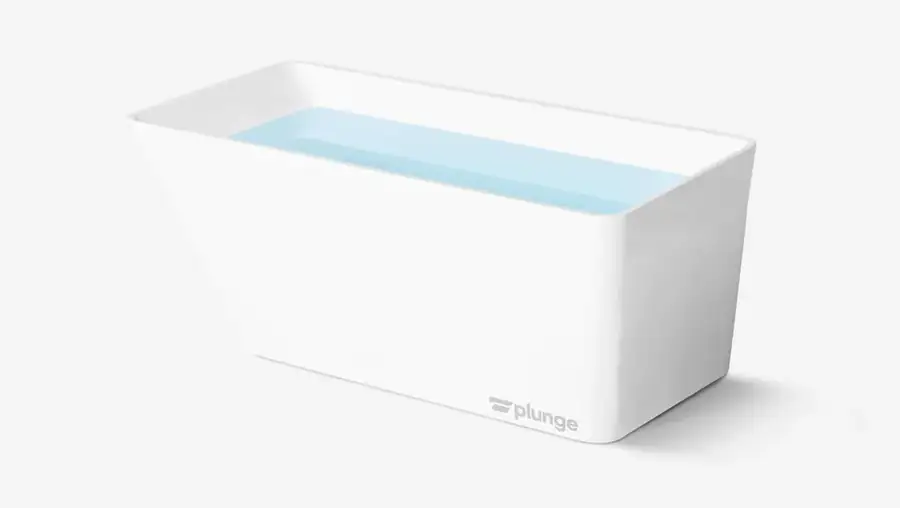
Best-in-class cold plunge with active chilling to 39°F. Filtration system keeps water clean. Target protocol: 2–4 minutes at 50–59°F, 3–5×/week for mood and autonomic benefits.
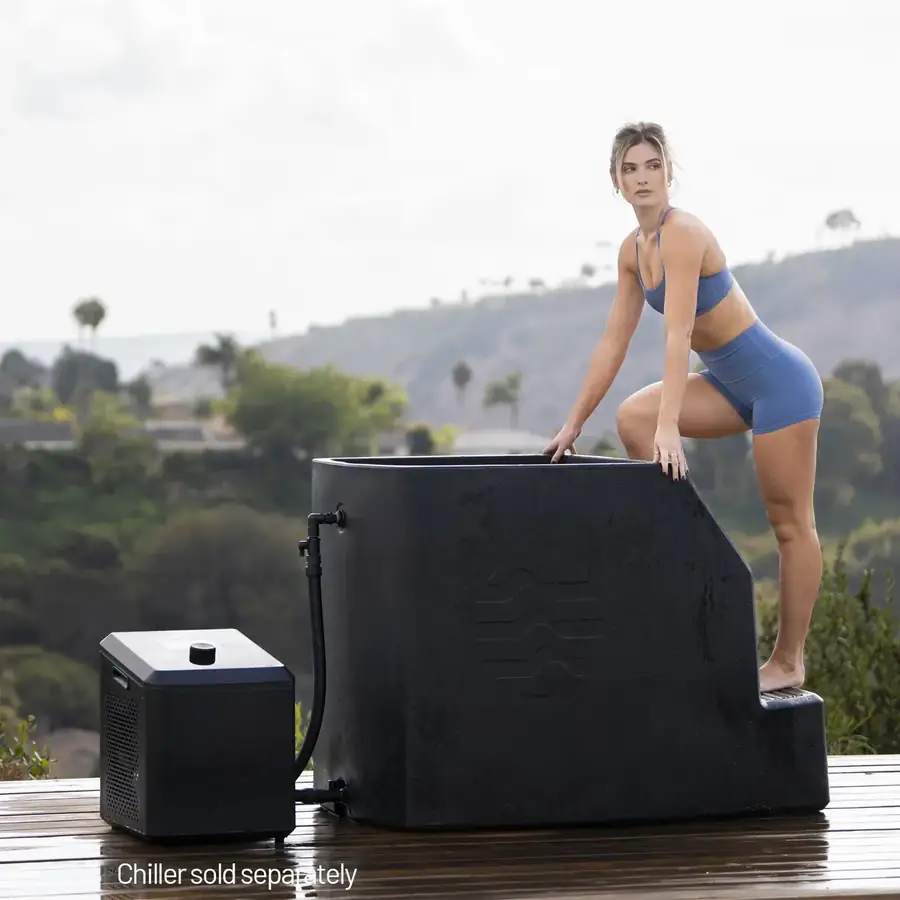
Upright barrel design — more space-efficient than flat plunge tubs. Passive cooling with ice. Lower cost entry point. Effective for the same cold exposure protocol.
PEMF — Pulsed Electromagnetic Field
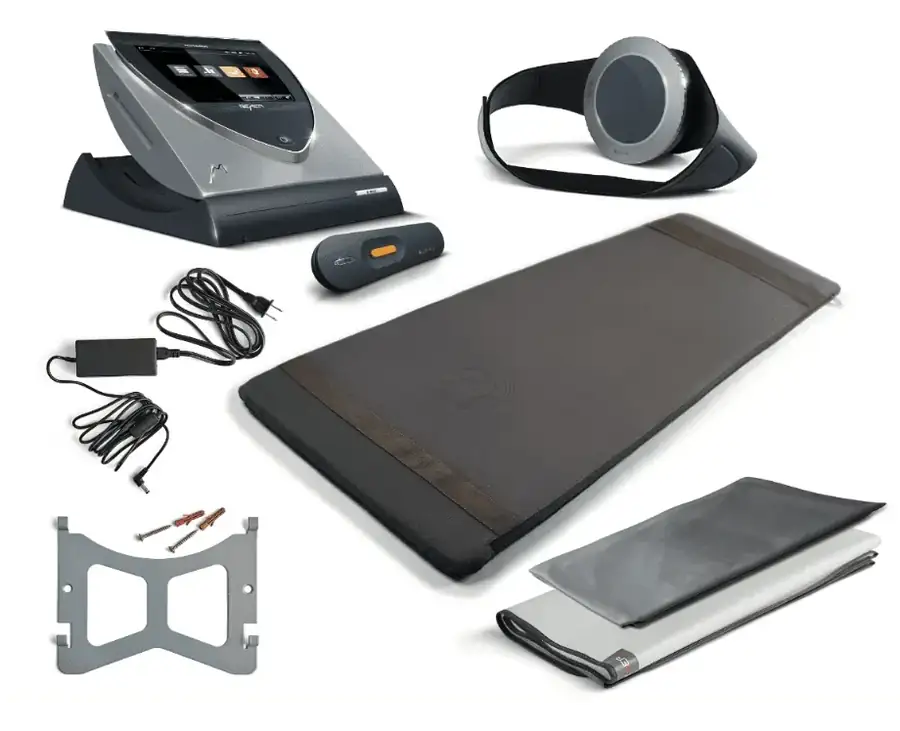
Most studied PEMF brand in peer-reviewed literature. Specific waveform (BEMER signal) with proprietary microcirculation data. FDA Class II cleared medical device.
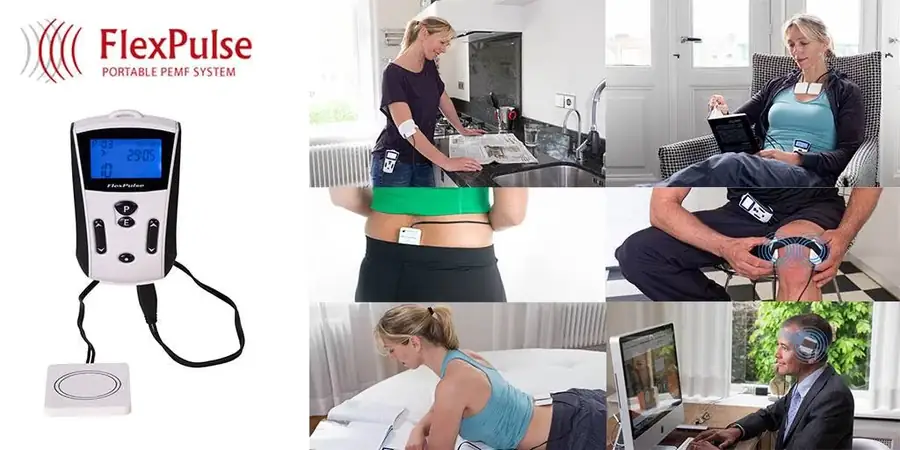
Portable, wearable PEMF with programmable frequencies. Sleep, cognitive, and pain programs. Battery-powered for travel use. Parameters are adjustable — important for matching study protocols.
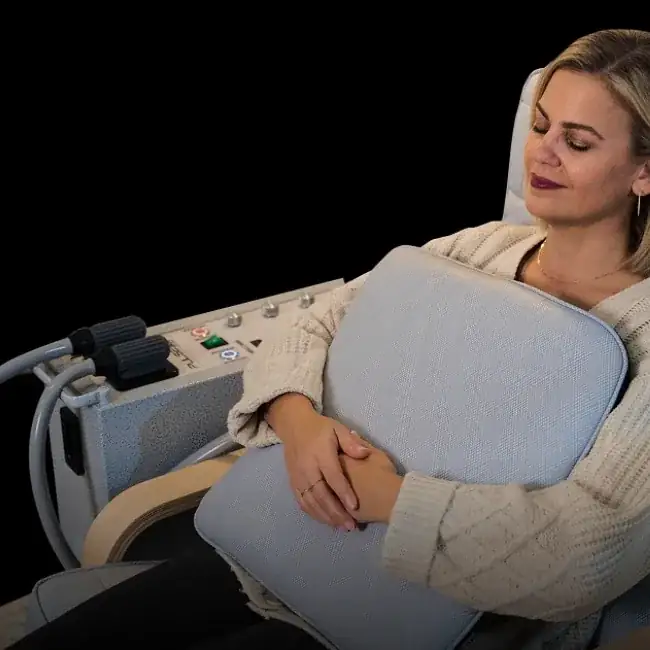
High-intensity PEMF system used in clinical wellness settings. Full-body mat and applicator options. Higher field strength than most consumer devices.
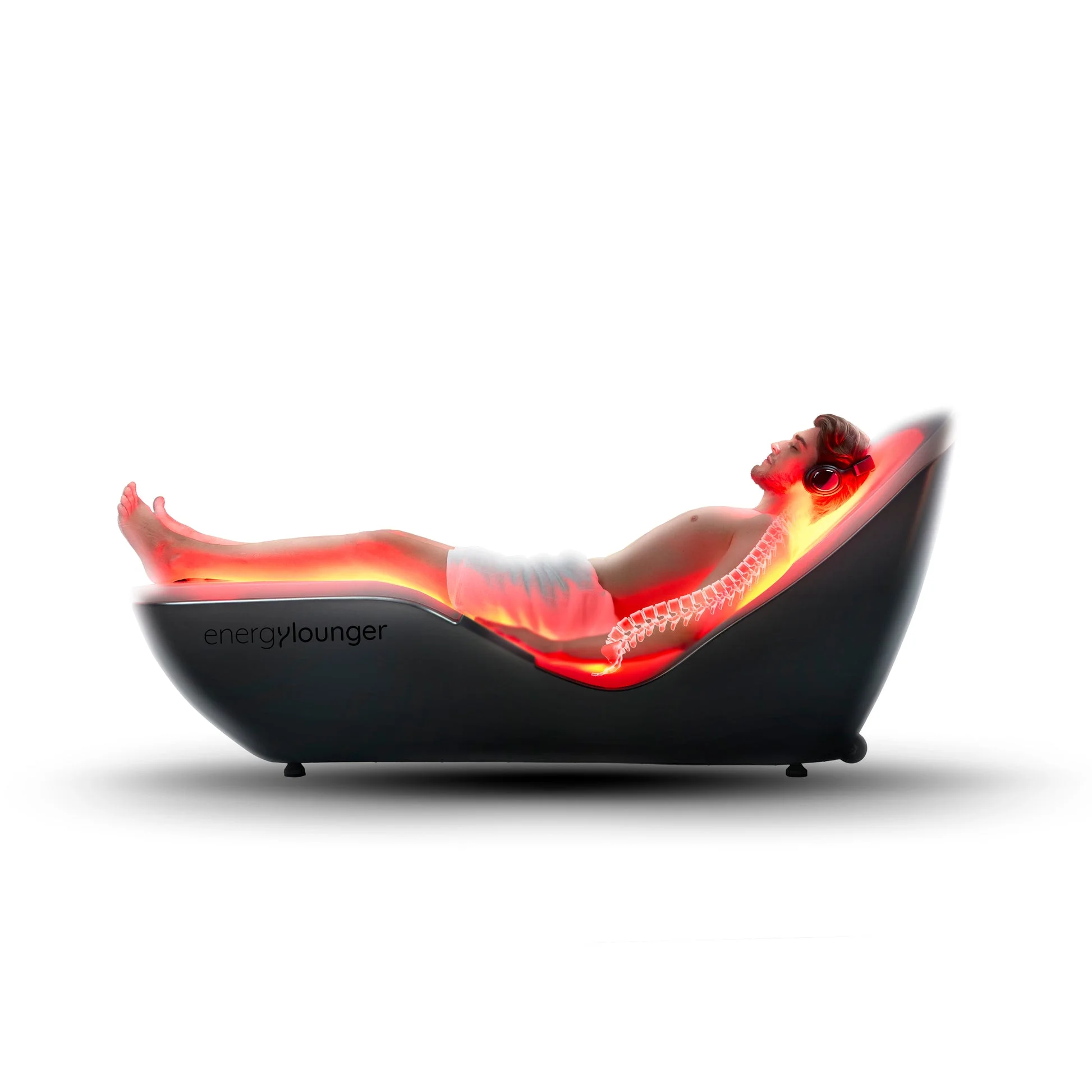
Full-body PEMF lounge chair format. Convenient for passive sessions. Parameter specifics vary significantly by brand — verify against clinical PEMF parameters before purchasing.
Molecular Hydrogen
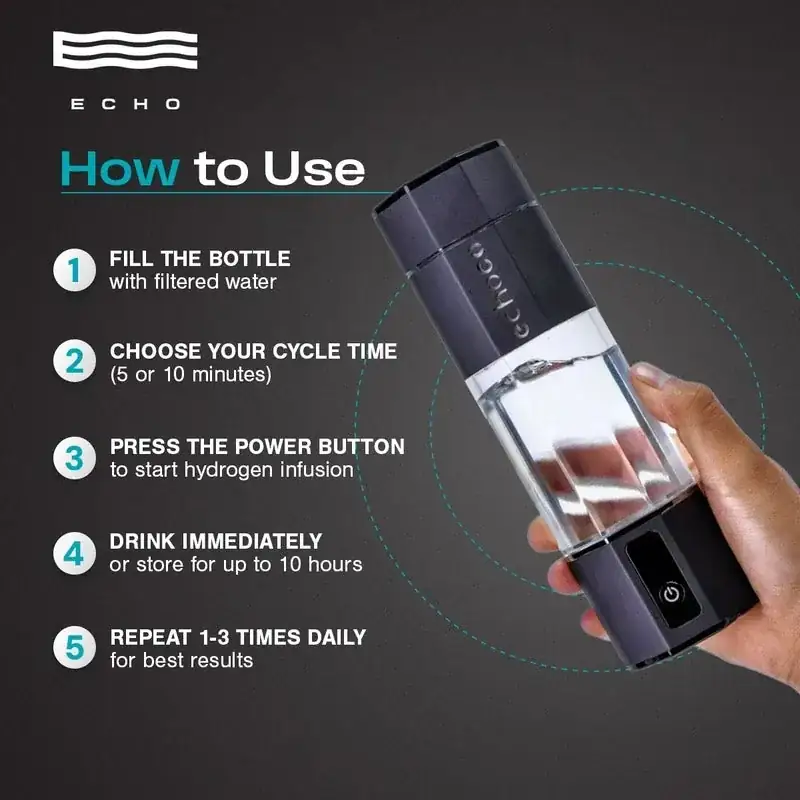
Portable H₂ water generator. Independently tested output ≥1.6 ppm. Most-cited consumer H₂ device in wellness literature. SPE/PEM membrane technology for pure H₂ output.
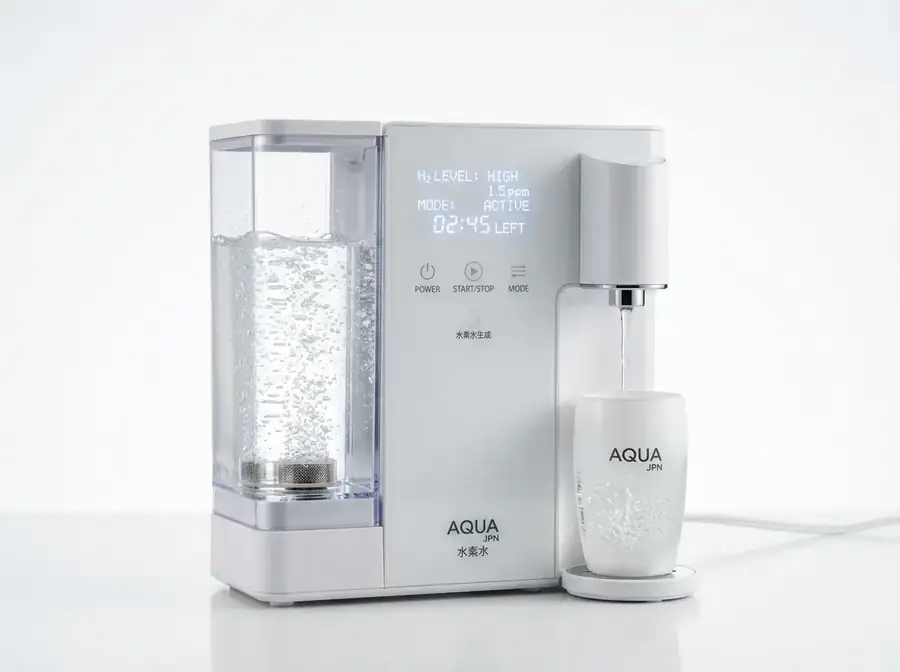
Japanese-manufactured H₂ water generator — Japan has the most rigorous H₂ research ecosystem. Countertop unit producing high-concentration H₂ water consistently.
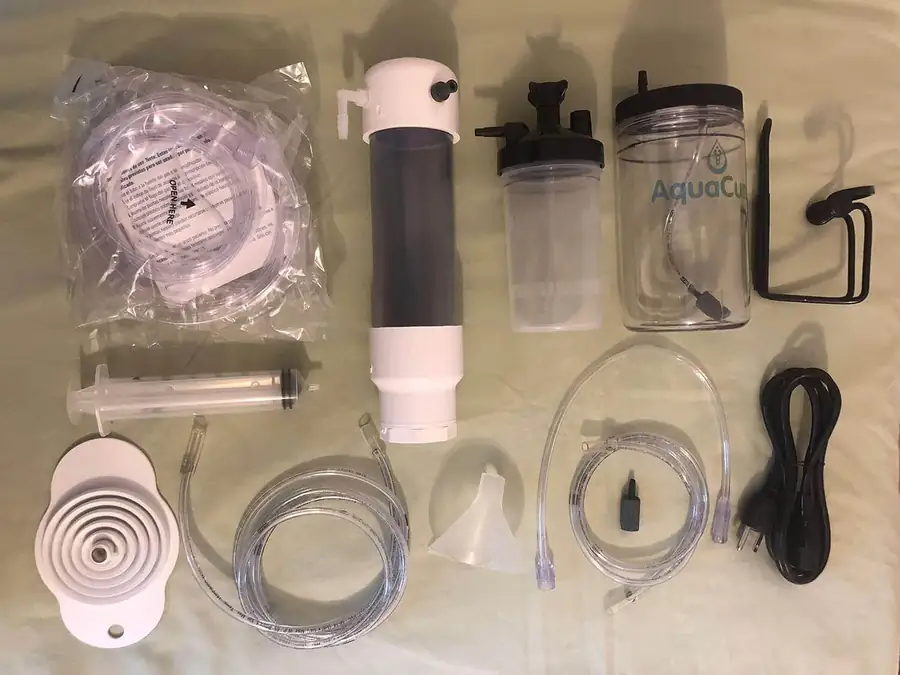
Produces both H₂-enriched water and H₂ gas for inhalation. Inhalation delivery reaches systemic tissues faster than ingestion. Dual-mode use studied separately.
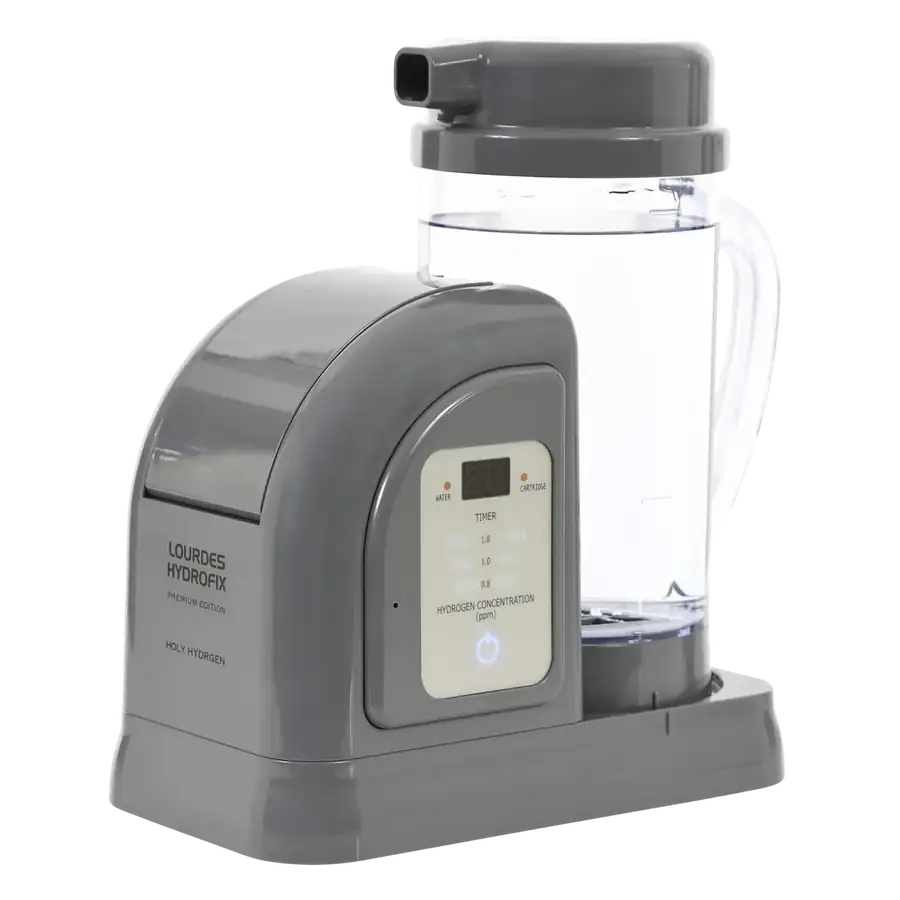
High-output H₂ inhalation generator. US-based company with good customer support and independently measured output specifications. For dedicated H₂ inhalation protocols.
Vagal Nerve Stimulation (VNS)
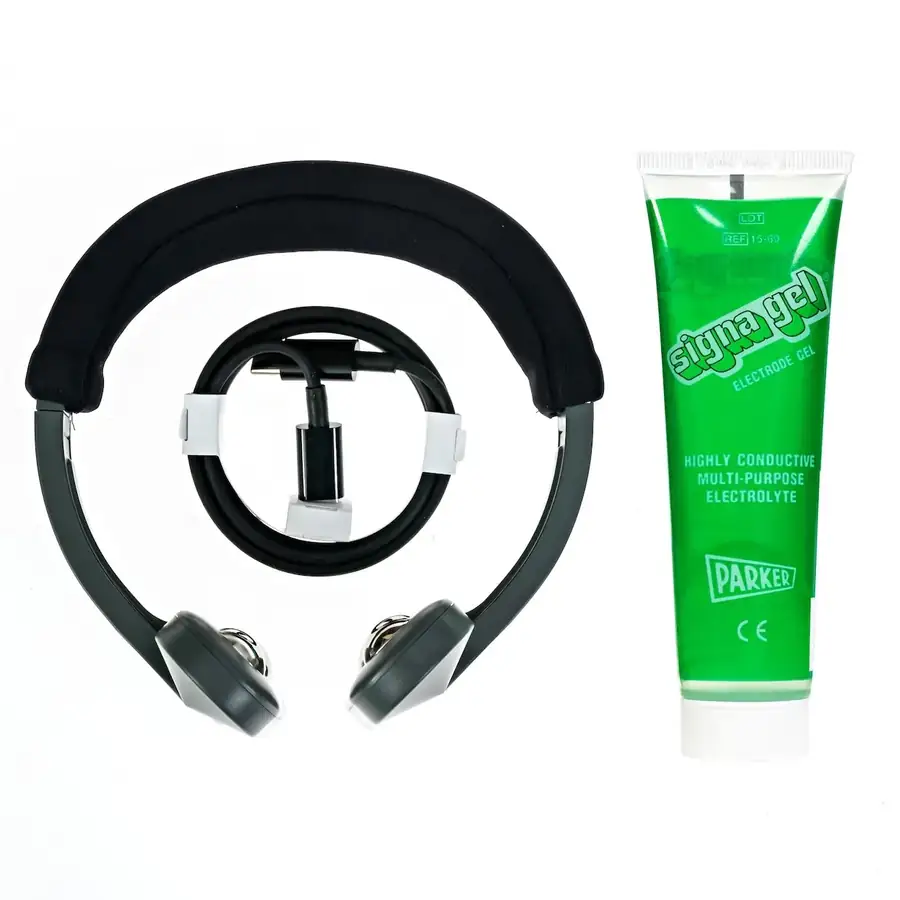
Non-invasive neck-based VNS. HRV improvement and stress reduction data from company-sponsored studies. Consistent user-reported outcomes. Growing independent evidence base.
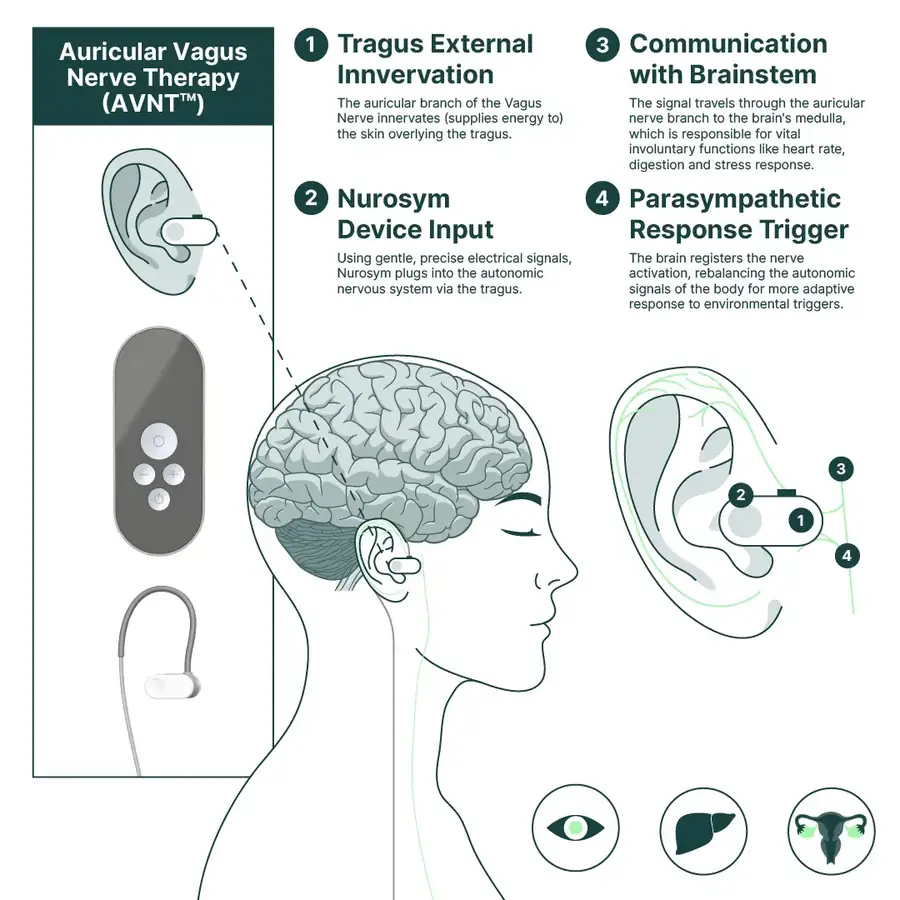
Auricular (ear-based) transcutaneous VNS. The strongest evidence base for non-invasive VNS — auricular stimulation targets the vagal auricular branch directly. CE-marked medical device.
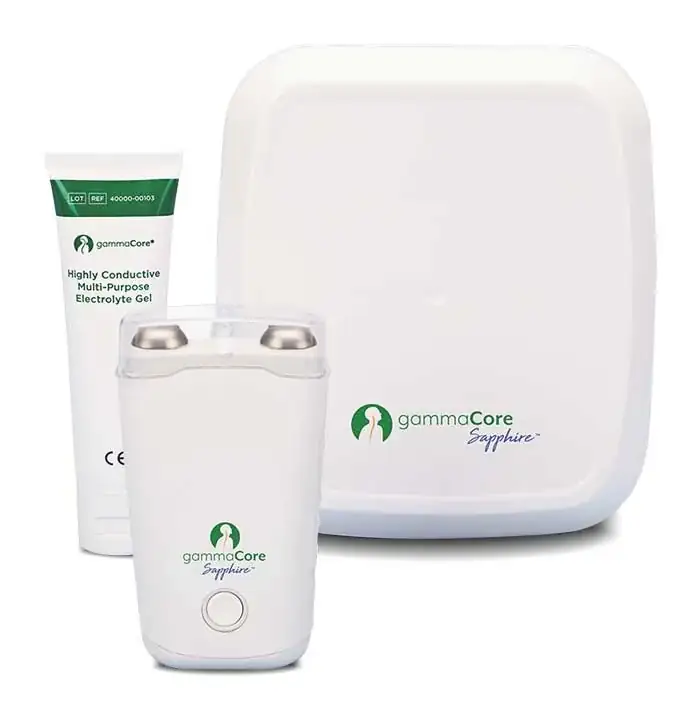
FDA-cleared for migraine and cluster headache — the strongest regulatory approval among consumer VNS devices. Cervical application. Prescription required in the US.
Brain Stimulation — Neurofeedback & tDCS
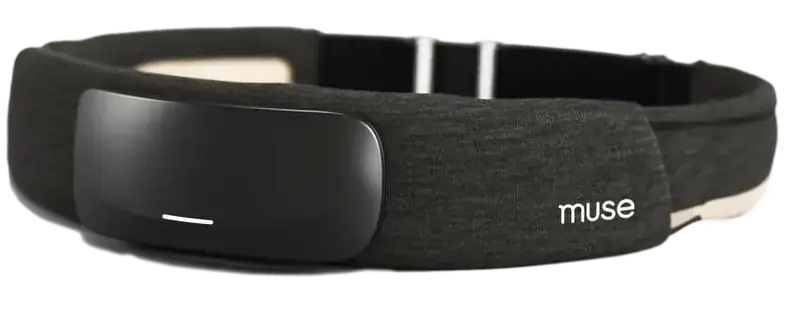
EEG-based real-time neurofeedback for meditation and sleep. Most accessible entry to biofeedback training. Research-grade EEG in a consumer device — used in published academic studies.
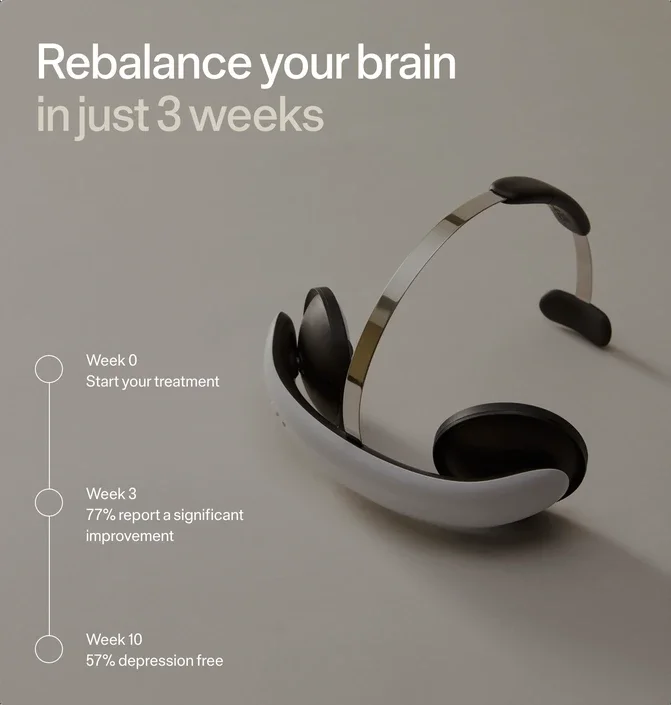
tDCS + cognitive training app combination. CE-marked for depression treatment in Europe. Combined hardware + therapy protocol has the strongest evidence vs. device alone.
Light and sound flickering at 40Hz to drive gamma oscillations — based on MIT research showing amyloid/tau reduction in mouse models. Human translation is underway. Grade C — promising mechanism, clinical data pending.
Pneumatic Compression
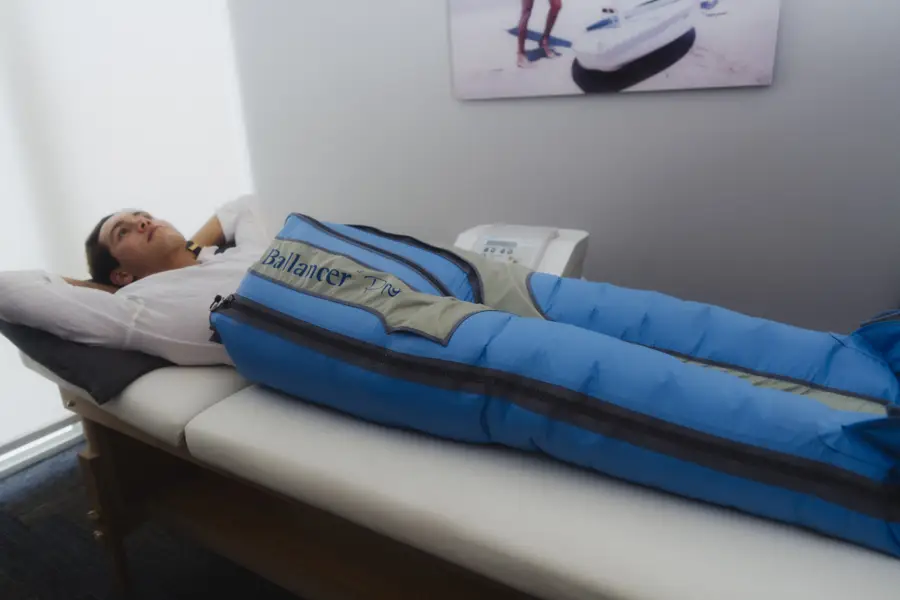
Full-body sequential compression suit (24 chambers). Most used in clinical and spa settings. Lymphatic drainage focus with strong aesthetic and recovery data. FDA cleared Class I.
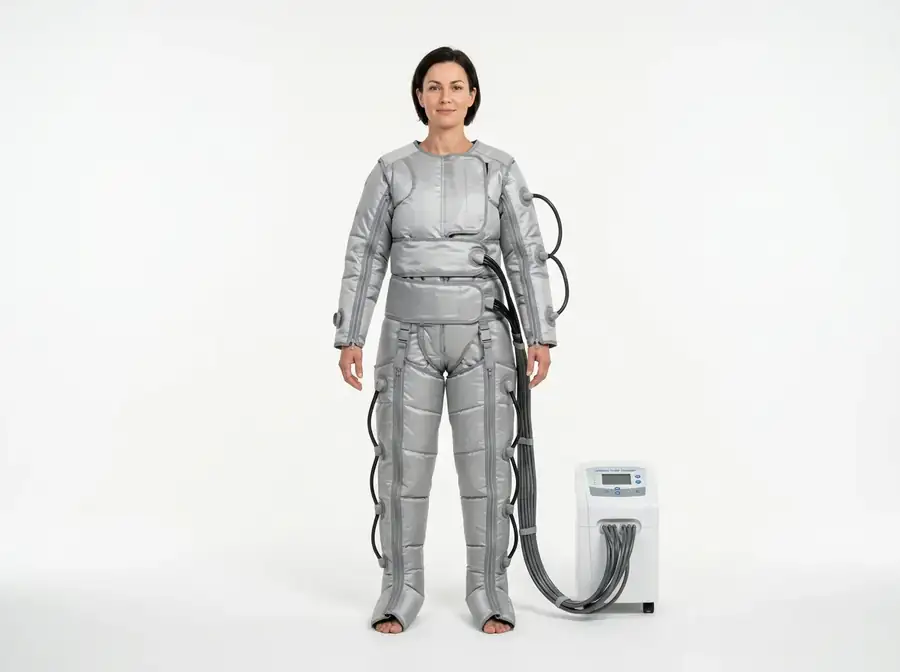
3-in-1: compression + heat + deep pressure therapy. Full-body suit design. Combines thermal and mechanical stimulation. Clinic and high-end wellness use.
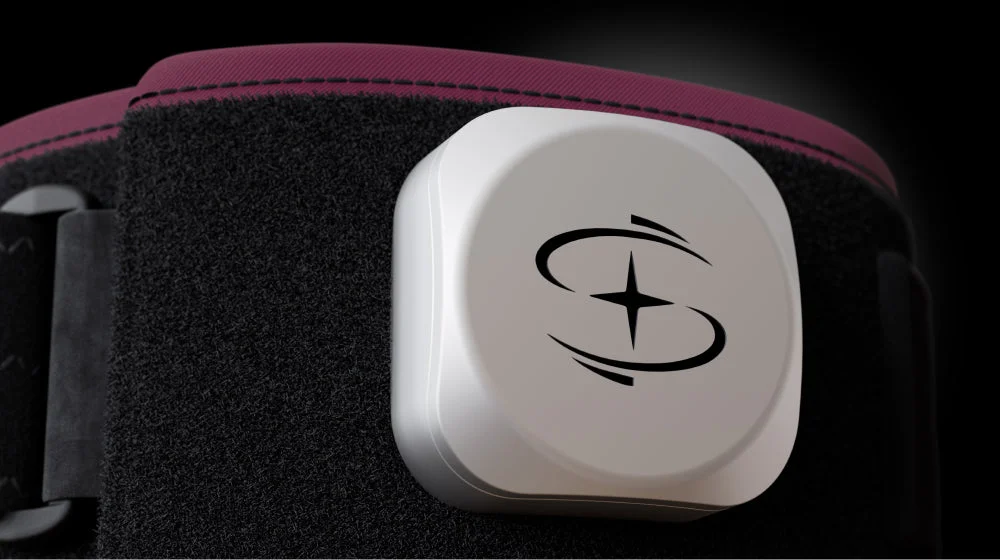
Blood flow restriction training cuffs — different mechanism from compression recovery. BFR allows muscle growth with lower loads. Strong evidence for muscle preservation in aging, post-surgery rehab.
Blood Flow Restriction (BFR / KAATSU)
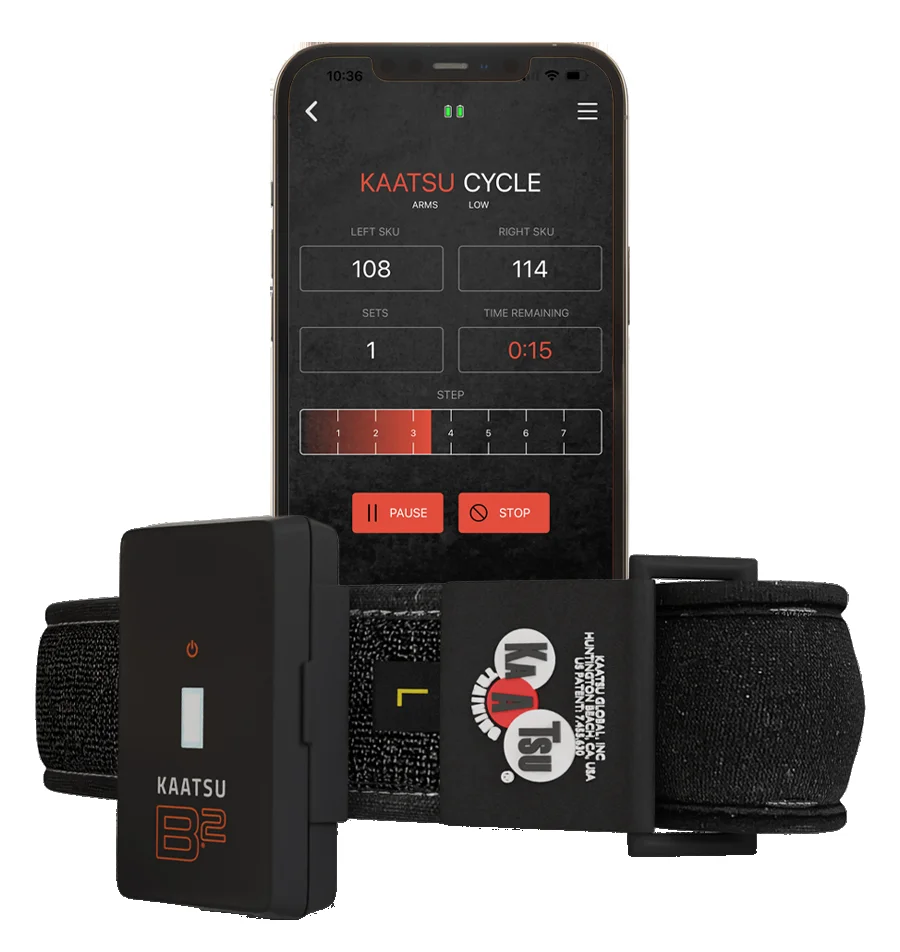
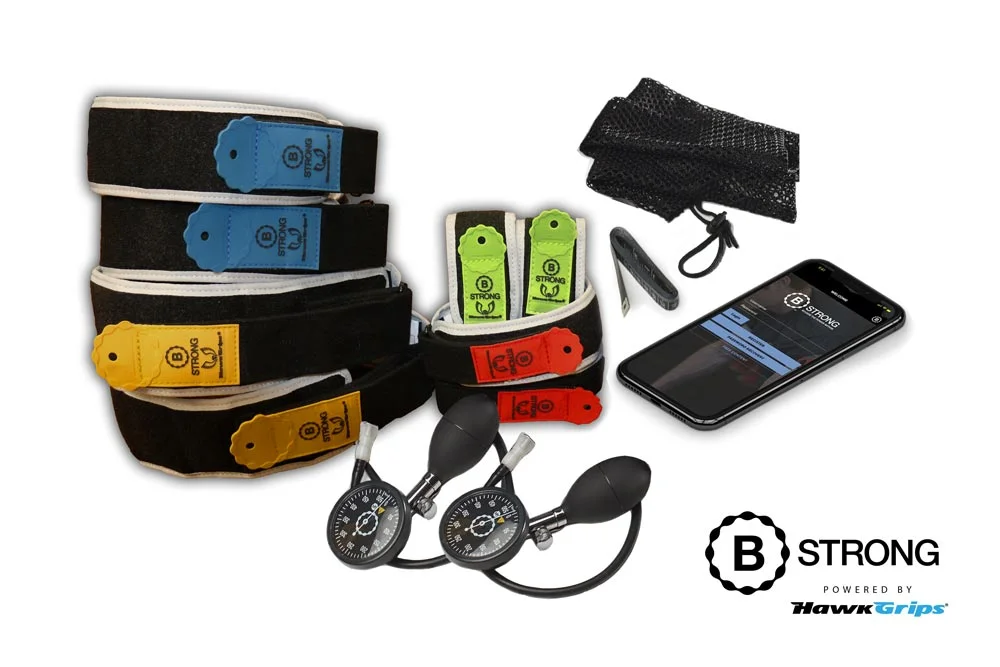
The original BFR system developed by Dr. Yoshiaki Sato. Pneumatic cuffs with automated cycling — safer than manual bands. Most peer-reviewed longevity data of any BFR brand.
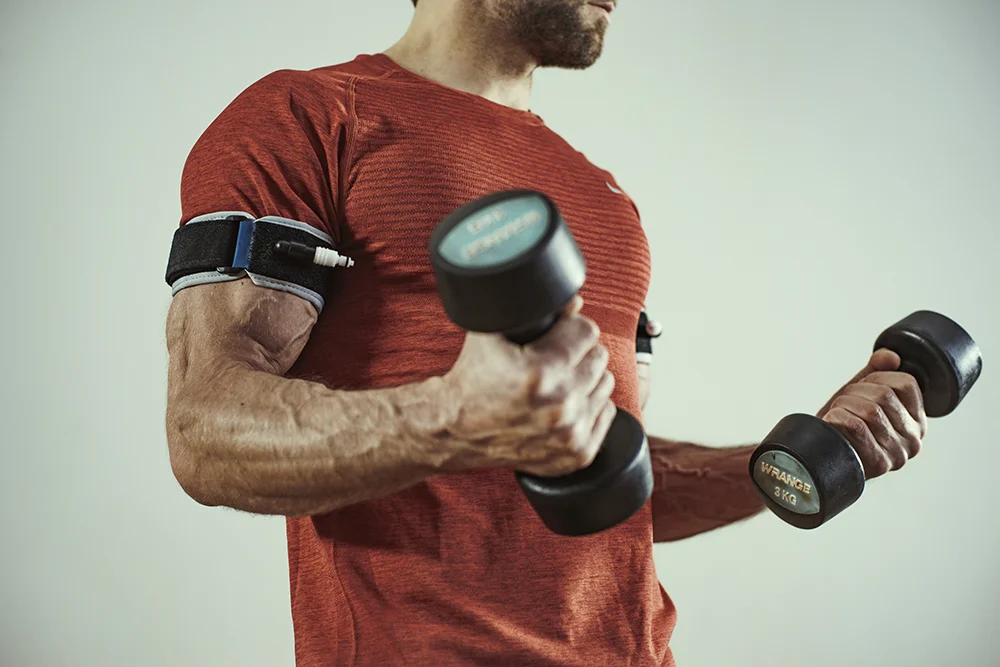
Manual pressure BFR bands. Lower cost entry point. Requires careful pressure calibration — over-restriction is the main safety risk. Good for experienced users following a BFR protocol.
Whole Body Vibration (WBV)
Most-studied WBV platform in peer-reviewed literature. Tri-planar vibration at 25–50Hz. Used in clinical research on osteoporosis and sarcopenia prevention. Professional-grade build quality.
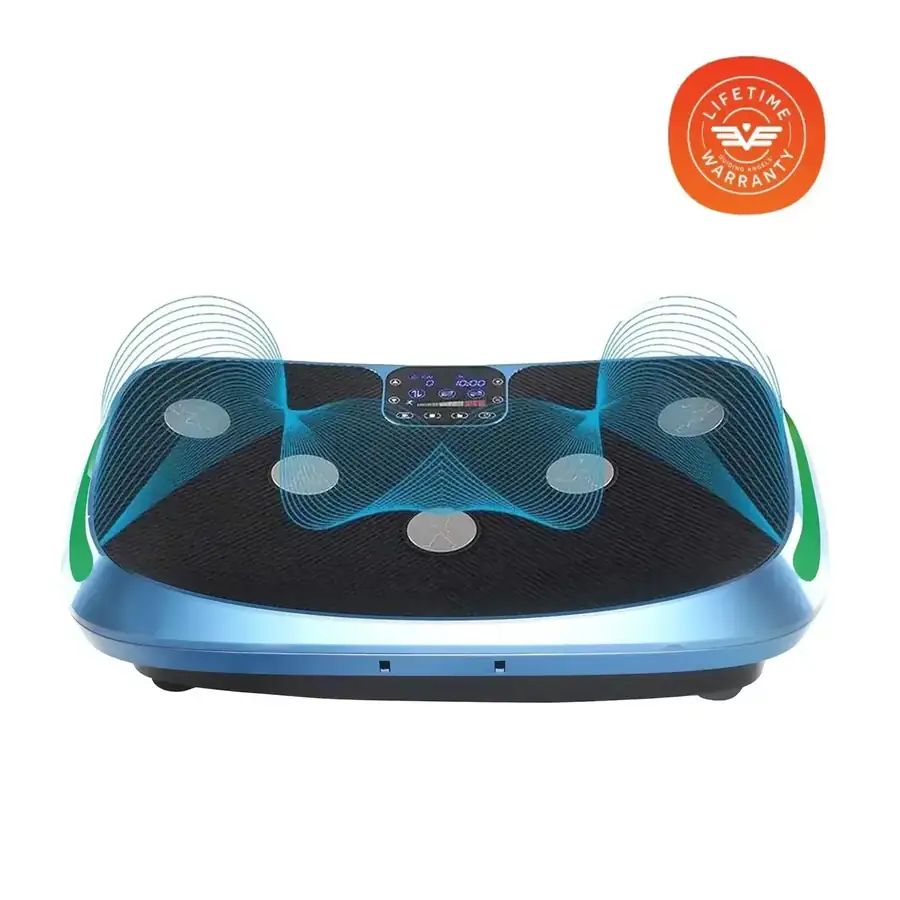
Consumer-grade vibration platform with good frequency range. Oscillation + spiral vibration modes. More accessible price point for home use. Adequate for balance and mobility protocols.
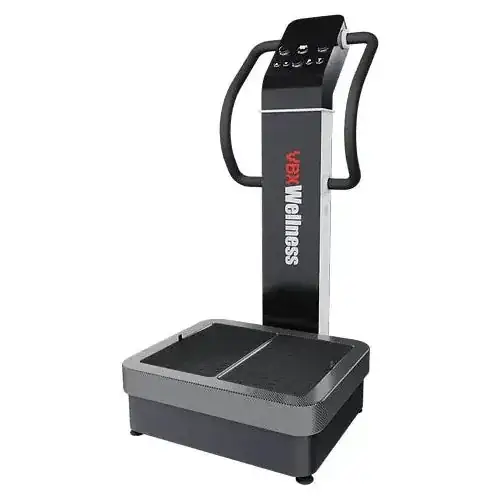
Vertical vibration platform targeting lower limb bone density and sarcopenia. Simpler frequency profile but adequate for the key clinical endpoints studied in RCTs.
Fitness Technology — VO₂max & HIIT Protocols
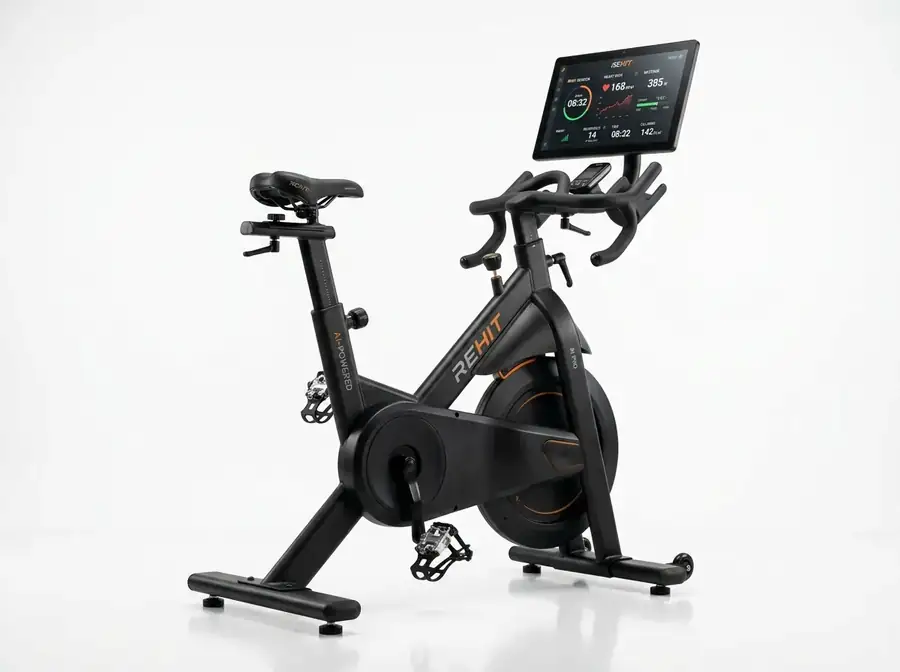
AI-controlled resistance matching that produces the Norwegian 4×4 VO₂max stimulus in 8:40/session. Published RCT: equivalent VO₂max improvement to 150 min/week moderate cycling. Most time-efficient VO₂max protocol studied.
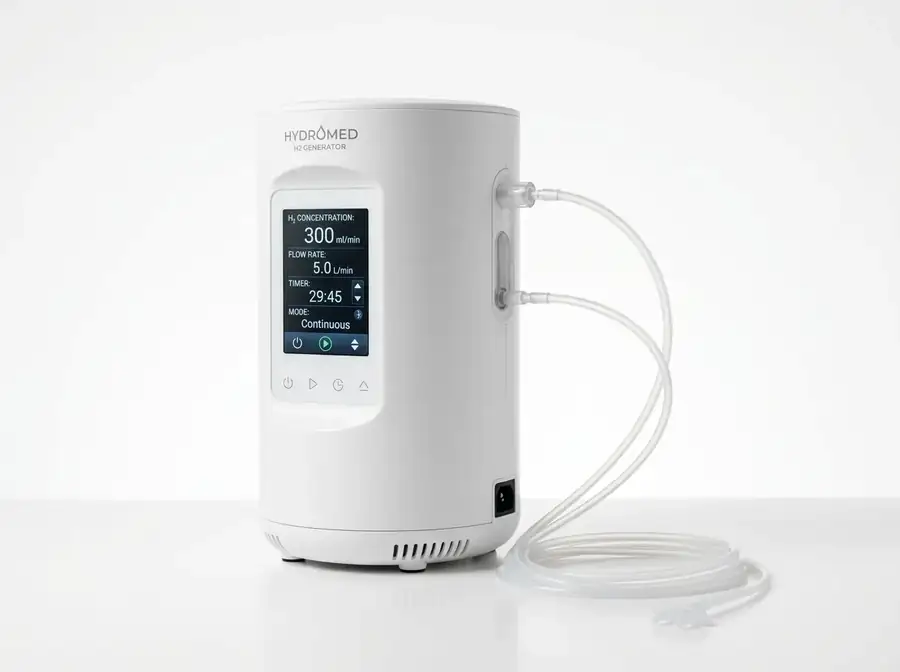
Respiratory muscle training device. Inspiratory muscle training RCTs show BP reduction (−9 mmHg systolic) and improved VO₂max in healthy adults. Underutilized longevity intervention.
Recovery Devices
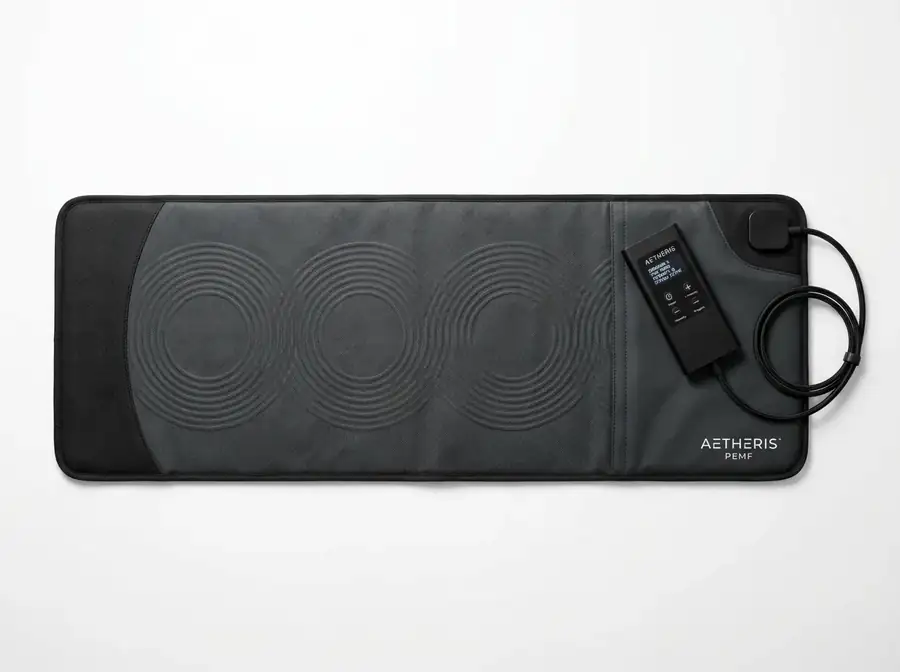
PEMF + sound therapy combination device marketed for recovery. Proprietary waveform research. Good HRV and sleep outcome data from user base. PEMF parameters within clinical range.
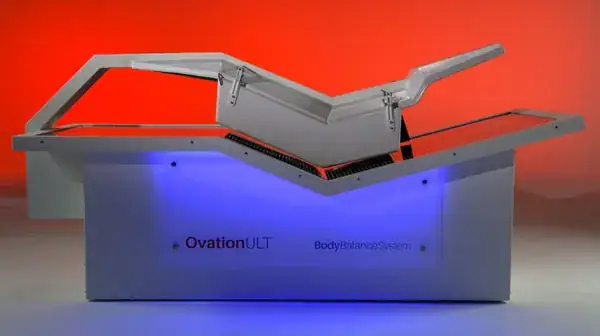
Therapeutic ultrasound for soft tissue recovery. FDA Class II cleared. Clinical ultrasound has strong RCT base for tendon and muscle injury recovery — consumer devices use same mechanism at lower intensity.